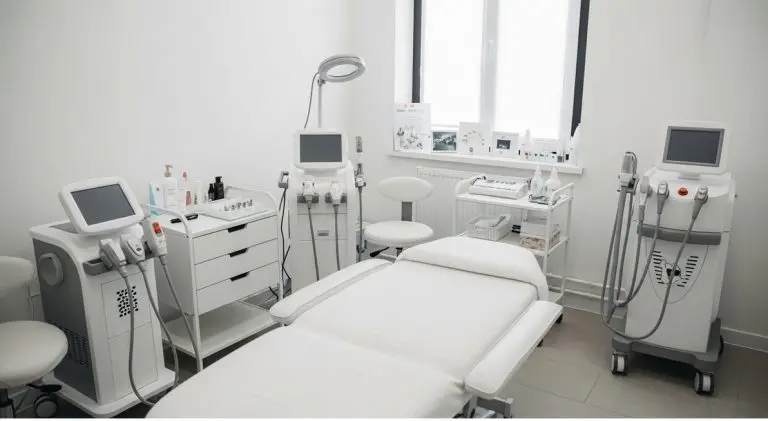
Over the past decade, dermatology has undergone a significant transformation. Once primarily focused on treating medical skin conditions such as eczema, infections, and severe acne, the field now combines medical science with advanced aesthetic technology. Around the world, dermatology clinics are witnessing increasing demand for treatments that improve skin health while also addressing cosmetic concerns like aging, pigmentation, and acne scarring.
One of the most notable trends in modern dermatology is the rapid growth of non-surgical aesthetic procedures. Patients increasingly prefer treatments that enhance skin quality and slow visible aging without requiring invasive surgery or lengthy recovery periods. Technologies such as energy-based skin tightening, collagen stimulation treatments, and advanced laser therapies have made it possible for dermatologists to offer effective results through minimally invasive approaches.
These developments have also reshaped patient expectations. Instead of dramatic cosmetic changes, many individuals now seek subtle, natural-looking improvements guided by medical professionals.
Rising Demand for Non-Surgical Anti-Aging Treatments
As populations age and awareness of skin health increases, the demand for non-surgical anti-aging treatments continues to grow worldwide. Many people now prioritize preventive dermatology, choosing treatments that maintain skin elasticity, reduce early signs of aging, and stimulate natural collagen production.
Non-invasive technologies have made it possible to target deeper layers of the skin without surgical intervention. These procedures typically involve minimal downtime and can be performed in outpatient dermatology clinics.
Among the most widely discussed technologies are Ultherapy and Thermage, both of which use energy-based systems to tighten skin and stimulate collagen regeneration.
Ultherapy, commonly offered as Ultherapy Seoul treatments in specialized clinics, uses focused ultrasound energy to penetrate the skin’s deeper layers. By stimulating collagen production beneath the surface, the treatment gradually improves skin firmness and lifting over several months.
Similarly, Thermage, frequently searched online as Thermage Seoul, uses radiofrequency technology to heat deeper skin tissues. This controlled heating triggers collagen remodeling, helping improve skin tightness and texture over time.
These procedures are often chosen by individuals seeking non-surgical alternatives to traditional facelifts. While results are generally more gradual and subtle compared to surgery, they are valued for their natural outcomes and minimal disruption to daily life.
Advanced Dermatology Treatments for Skin Texture and Pigmentation
Beyond anti-aging treatments, dermatology clinics are also seeing growing interest in procedures designed to improve skin clarity and texture. Concerns such as acne scars, uneven pigmentation, and sun damage are increasingly addressed through modern dermatological techniques.
Acne scar treatment has evolved significantly with the introduction of technologies like fractional lasers, microneedling radiofrequency devices, and collagen-inducing therapies. These treatments work by stimulating skin regeneration and encouraging the body to repair damaged tissue. Over time, this can reduce the appearance of deep scars and improve overall skin smoothness.
Another common dermatological concern is pigmentation treatment, which targets conditions such as melasma, sun spots, and post-inflammatory hyperpigmentation. Dermatologists now employ a combination of laser therapy, topical medications, and chemical exfoliation techniques to manage these conditions more effectively.
Because pigmentation issues can be influenced by genetics, sun exposure, and hormonal factors, treatment often requires personalized medical evaluation. As a result, many patients now prefer visiting medically supervised dermatology clinics rather than relying solely on cosmetic spas.
The Global Rise of Dermatology Hubs
As aesthetic dermatology continues to expand, certain cities have emerged as global centers for innovation and specialized treatment. Among these, Seoul, South Korea, has gained international recognition for its dermatological expertise and advanced aesthetic technologies.
The city’s medical infrastructure, combined with strong research in cosmetic science and dermatology, has contributed to the development of highly specialized clinics offering a wide range of skin treatments.
Within Seoul, the Gangnam district has become particularly well known for its concentration of dermatology and aesthetic clinics. This area hosts numerous medical facilities where dermatologists provide treatments ranging from medical skin care to advanced anti-aging procedures.
As a result, international patients often search for an aesthetic clinic Seoul visitors trust when seeking advanced dermatology services. Similarly, many individuals researching specialized skin treatments look for a reputable dermatology clinic in Seoul with experienced dermatologists and modern treatment technologies.
South Korea’s Influence on Aesthetic Dermatology
South Korea’s influence on global skincare and aesthetic dermatology is closely tied to its strong culture of skin health awareness. Preventive skincare, dermatological consultation, and technological innovation are widely integrated into the country’s beauty and medical industries.
Many dermatology clinics in Seoul incorporate advanced diagnostic imaging, personalized treatment planning, and a combination of medical and aesthetic therapies. This approach allows dermatologists to address both medical skin conditions and cosmetic concerns while maintaining a focus on skin health.
Gangnam, in particular, has become known for clinics that combine research-based dermatology with minimally invasive aesthetic procedures. The district continues to attract both domestic patients and international visitors interested in modern dermatological treatments.
A Dermatologist-Led Approach to Natural Results
While aesthetic dermatology has expanded significantly, many specialists emphasize the importance of medically guided treatments rather than purely cosmetic procedures. Dermatologists typically focus on maintaining skin health, improving skin structure, and achieving balanced, natural-looking results.
Among the clinics operating in Seoul’s Gangnam district is Delight Dermatology Clinic, a dermatologist-led skin clinic in Gangnam, Seoul specializing in advanced aesthetic and dermatological treatments. Clinics following this approach generally prioritize individualized treatment plans and natural outcomes rather than aggressive cosmetic alterations.
This medically oriented perspective reflects a broader shift within the field of aesthetic dermatology. Increasingly, dermatologists emphasize subtle improvements that enhance a patient’s natural features while maintaining overall skin health.
The Future of Dermatology and Aesthetic Skin Treatments
Looking ahead, experts anticipate continued growth in non-surgical dermatology treatments worldwide. Innovations in energy-based devices, regenerative therapies, and personalized skincare are expected to further expand treatment options available to patients.
As research advances, dermatology is likely to become even more integrated with preventive medicine and long-term skin health strategies. Treatments will continue to evolve toward minimally invasive procedures that provide gradual, natural-looking improvements.
Cities like Seoul, particularly districts such as Gangnam, will likely remain important hubs for dermatological innovation. The combination of advanced technology, specialized expertise, and a strong skincare culture positions the city as a leading center for the future of aesthetic dermatology.
For patients seeking both medical skin care and aesthetic improvements, modern dermatology now offers a wide range of treatments designed to support healthier, more resilient skin without the need for invasive procedures.