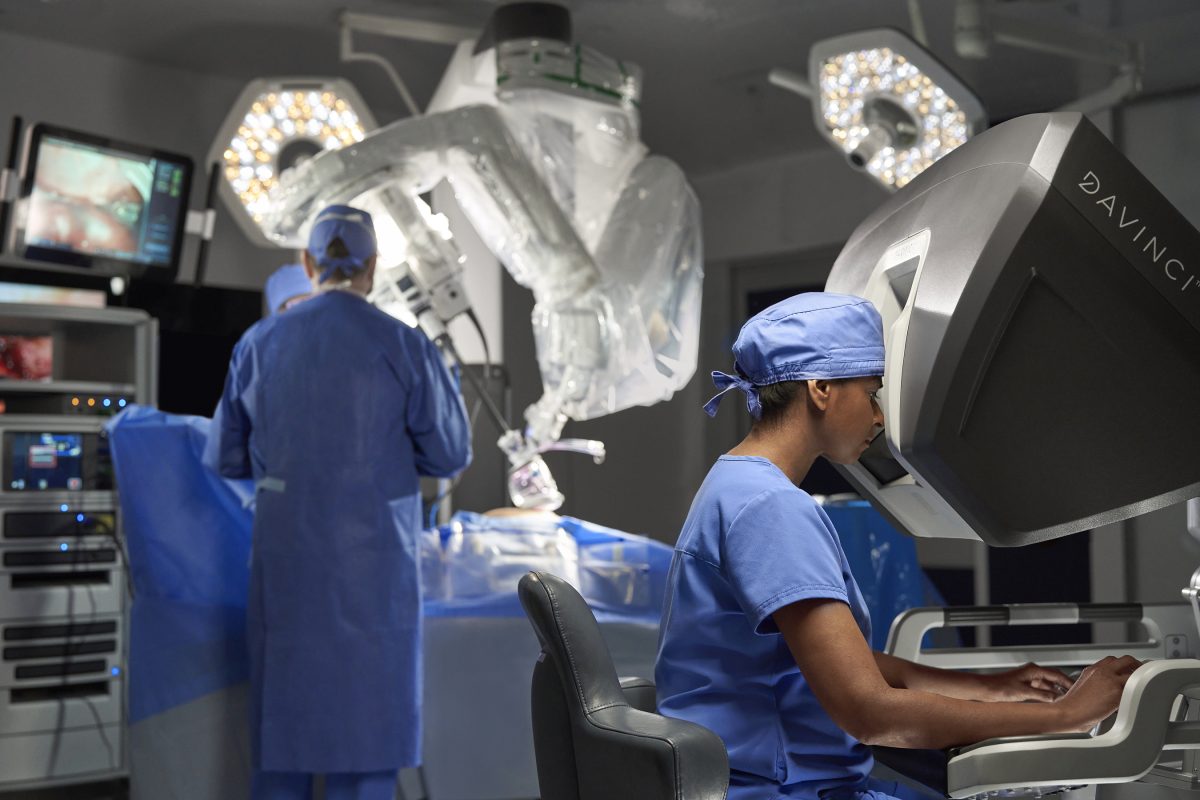
Neptune Medical, a company creating the future of endoscopy, today announced FDA clearance for its TRITON ROBOTIC ENDOSCOPY SYSTEM, a robotic system purpose-built for next-generation flexible endoscopy and indicated for diagnostic and therapeutic procedures throughout the colon.
The Impact of the TRITON ROBOTIC ENDOSCOPY SYSTEM on Colorectal Procedures
Colorectal cancer is the second leading cause of cancer death in the U.S. and increasingly affects adults under age 50. Colonoscopy is the gold standard for the diagnosis, prevention and treatment of colorectal cancer, as it is the only procedure that allows for both detection and removal of precancerous lesions in one session. However, today’s endoscopes have inherent design limitations that make them difficult to control despite gastroenterologists (GIs) undergoing years of specialized training. Endoscope instability can lead to incomplete visualization of the colon, missed adenomas (pre-cancerous lesions), and ultimately, an increased risk of cancer development. Manual endoscopy can also create significant physical stress for the clinician.
The TRITON ROBOTIC ENDOSCOPY SYSTEM is a transformative GI robotic endoscopy system designed to deliver robotic precision, stability, and control throughout the entire colon, with the goal of ensuring that every patient can receive consistently thorough screening and therapy. The TRITON ROBOTIC ENDOSCOPY SYSTEM is designed to elevate any endoscopist’s capabilities for screening, surveillance, and diagnostic colonoscopies, as well as other more complex procedures in the colon, such as endoscopic mucosal resections (EMRs) and endoscopic submucosal dissections (ESDs).
“Triton has the potential to fundamentally transform colonoscopy, creating a better experience for both physicians and their patients. Achieving regulatory clearance in the U.S. brings us one step closer to that reality,” said Alex Tilson, Founder and CEO of Neptune Medical. “We are using this generation of the Triton system to build on the evidence from our recent trial and to learn from endoscopists how robotics should integrate into their workflow — insights that will directly shape our next-generation platform.”
“Bringing robotics to lower GI procedures is an exciting prospect for us,” said Jason B. Samarasena, MD, Chief of Division of Gastroenterology and Hepatology, University of California, Irvine who was part of the Neptune Medical’s CARE 1 clinical trial. “Triton showed us the possibility of one system that can screen and treat anywhere in the colon, efficiently, thoroughly, and with minimal burden. I look forward to participating in additional clinical research of the system that will support its progress along the path to commercialization.”
The first-in-human CARE 1 study was presented earlier this year at Digestive Disease Week® (DDW) 2026. The study showed that the Triton 1 System met its primary endpoints, with no adverse events and 100% cecal intubation. The robotic system also demonstrated a high adenoma detection rate (ADR) of 54.2%, compared to the industry threshold of 35%. It was also effective in creating a highly favorable ergonomic environment for endoscopists, with a 67% lower average burden compared to manual colonoscopy (based on the NASA-TLX score) and no patient repositioning, abdominal pressure, or conversion to manual colonoscopy.