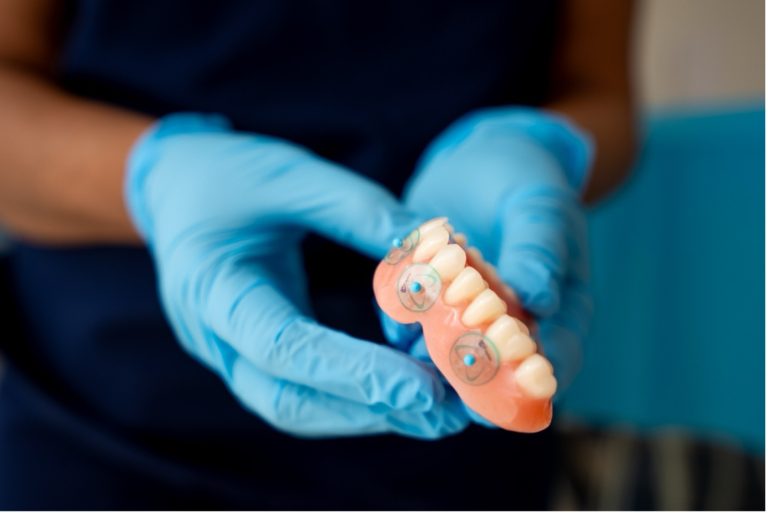
For patients dealing with extensive tooth loss or failing teeth, All-on-4 Mt Eliza treatment has become one of the more commonly discussed options for full-mouth restoration, and for good reason. Understanding how the procedure actually works, and who it genuinely suits, makes it much easier to have an informed conversation with your dentist about whether it is the right path forward.
This guide breaks down what the All-on-4 approach involves, how it compares with traditional dentures or individual implants, and what the recovery and long-term maintenance process typically looks like.
What All-on-4 Actually Means
All-on-4 refers to a full-arch restoration technique where a complete set of replacement teeth is supported by just four strategically placed dental implants, rather than one implant per missing tooth. This significantly reduces both the number of implants required and, in many cases, the overall treatment timeline compared with traditional implant approaches.
The four implants are angled specifically to maximise contact with available bone, which is part of why this technique can suit patients who might otherwise have been told they lacked sufficient bone density for a full traditional implant approach.
How It Compares With Traditional Dentures
Benefits of All-on-4 Dental Implants
Unlike removable dentures, which sit on the gums and can shift or cause discomfort over time, an All-on-4 restoration is fixed in place and functions much more like natural teeth. Patients commonly report improved confidence eating and speaking compared with their previous denture experience, along with reduced concern about slipping or irritation.
Bone Preservation Is a Genuine Long-Term Benefit
Traditional dentures do not stimulate the jawbone the way natural tooth roots do, which can lead to gradual bone loss over time. Because implants integrate directly with the jawbone, they help preserve bone density in a way that dentures alone cannot, which is a meaningful long-term consideration beyond just day-to-day comfort.
- Fixed, stable restoration: functions much more like natural teeth than removable dentures.
- Fewer implants required: typically four per arch rather than one per missing tooth.
- Bone preservation: implant integration helps maintain jawbone density over time.
- Suitable for reduced bone density: angled placement can work for patients who may not qualify for traditional implants.
What the Treatment Process Involves
Treatment typically begins with a thorough assessment, including imaging to map bone structure and plan implant placement precisely. In many cases, a temporary set of teeth can be fitted on the same day as implant surgery, allowing patients to leave with a functional smile while the implants fully integrate with the bone over the following months.
Once healing is complete, the temporary restoration is replaced with the final, custom-made set of teeth, designed to match the patient’s natural bite and appearance as closely as possible.
Recovery and What to Expect Afterwards
As with any implant surgery, some swelling and discomfort in the days following the procedure is normal and generally manageable with standard pain relief. Most patients return to normal activities within a few days, though full integration of the implants with the jawbone takes several months before the final restoration is fitted.
Long-Term Care and Maintenance
An All-on-4 restoration requires similar care to natural teeth, including regular brushing, and specific cleaning techniques your dentist will guide you through to maintain the area beneath the fixed restoration. Regular checkups remain important to monitor the implants and surrounding tissue over the years ahead.
Is It the Right Option for You?
All-on-4 suits many patients dealing with extensive tooth loss, but it is not automatically the right choice for everyone. A thorough consultation, including imaging and a discussion of your specific dental history and goals, is the only reliable way to determine whether this approach or an alternative treatment is more appropriate for your situation.
Cost Considerations and Financing
All-on-4 treatment represents a significant investment, and costs vary depending on individual circumstances, including how much preparatory work, such as extractions or bone grafting, is required before implant placement. Many practices offer payment plans or can help you understand what portion of the cost may be covered by private health insurance, which is worth discussing openly during your initial consultation.
It is generally worth viewing the cost in the context of the treatment’s longevity, since a well-maintained All-on-4 restoration is designed to last many years, which can make it a more cost-effective long-term option compared with repeatedly repairing or replacing failing natural teeth or an ageing denture.
Questions Worth Raising at Your Consultation
During your consultation, it is worth asking specifically about the dentist’s experience with All-on-4 procedures, expected timelines for your particular case, and what the temporary restoration will look and feel like immediately after surgery. A thorough answer to each of these questions helps set realistic expectations for the treatment journey ahead.
Bringing a list of your own questions to this appointment, rather than relying solely on what the dentist chooses to cover, ensures nothing important gets missed during what can otherwise be an information-heavy consultation.
Beyond the clinical aspects, it is also reasonable to ask about expected recovery time and any activity restrictions during healing, so you can plan work and family commitments around the treatment timeline with realistic expectations.
Final Thoughts
For the right candidate, All-on-4 offers a genuinely life-changing improvement in both function and confidence compared with removable dentures or living with failing teeth. Understanding the process in advance makes the decision, and the treatment journey itself, considerably less daunting.
If you have been considering full-mouth restoration, booking a consultation to discuss your specific circumstances is the most useful next step towards understanding what is realistically achievable for you.