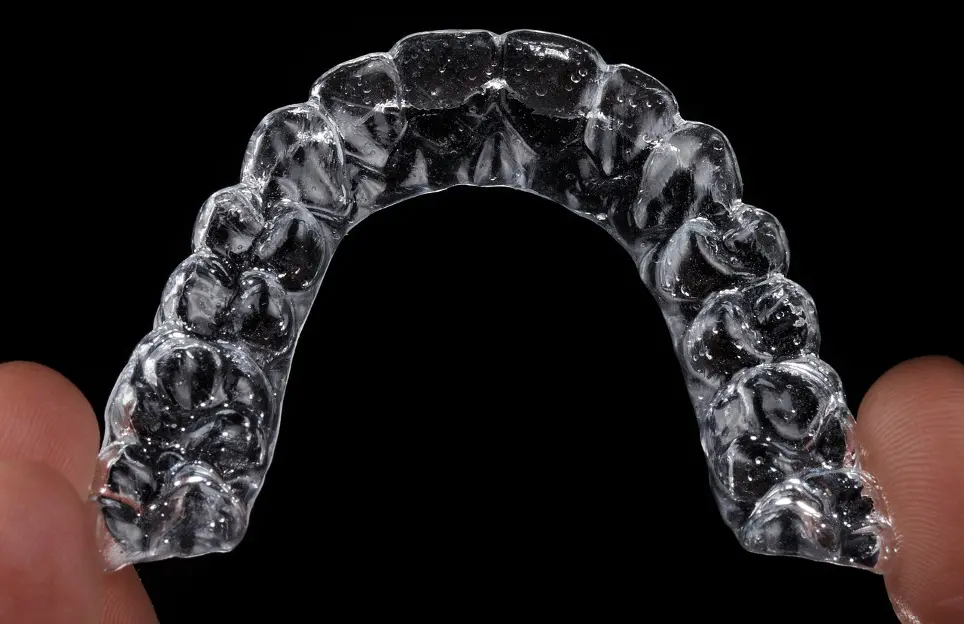
There could be many reasons why your dentist may recommend you wear a mouthguard. Some of these may include minimising the damage caused by teeth grinding or preventing potential injury from sports.
Opting for the quality mouthguards Mornington dentists recommend is an effective way to prevent soft tissue damage or broken teeth in sports activities. In addition to this, your dental specialist may also recommend that you use a mouthguard if you grind your teeth during sleep. This post takes a look at what mouthguards are and how you will benefit from wearing one.
Understanding What a Mouthguard is
As the name suggests, a mouthguard is a dental device that has been designed to guard your mouth from injury. Sometimes also referred to as sports mouthguards or nightguards, these devices are mandatory in sports such as hockey, rugby, and boxing and martial arts-type sports where intentional or accidental collisions are likely to happen.
Mouthguards can typically be made from a range of materials, the most common being Ethylene Vinyl Acetate or EVA. The EVA is moulded over the individuals’ teeth, which means it’s an exact fit for them. This increases the EVA efficacy and is comfortable for the user.
Offers an Extra Layer of Protection
No matter what sports you or your children are playing, it’s worth pointing out that the Australian Dental Association recommends that mouthguards be worn. This is to cushion against any potential contact to the face.
Your dentist may also have suggested a mouth guard as part of the treatment to minimise tooth and jaw damage caused by teeth grinding. Our team of dental specialists have included a list of the top ways that a simple little mouthguard can benefit your dental care.
1. Protects Against Tooth Grinding
Tooth grinding, or bruxism, refers to the unconscious clenching, gnashing, or grinding of teeth, which happens when awake or asleep. This condition is commonly linked to anxiety, stress, or excessive consumption of caffeine or alcohol.
When this happens, the individual can experience tooth damage, jaw pain, headaches, and sleep disruption. Your dental specialist may recommend a mouthguard as these devices will act as a protective barrier that prevents your top and bottom teeth from coming in direct contact.
Mouthguards are designed to distribute the clenching and grinding force and cushion your teeth from pressure. This, in turn, protects against long-term damage such as tooth fractures and sensitivity.
2. Safeguards Your Mouth Against Potential Tooth Fractures
Another key reason to invest in a mouthguard is the protection it offers the wearer during sports activities. This is especially the case where face collisions can result in broken or fractured teeth. Not wearing a mouthguard can result in extensive tooth damage, which may involve having to add a new tooth crown, perform a root canal, or even total tooth extraction.
3. Assists During Sleep Apnea
Mouthguards are also an effective way to deal with sleep apnea. As a serious sleep disorder, sleep apnea causes breathing to repeatedly stop and start. This can often be a result of a blocked airway caused by throat muscles relaxing too much.
Symptoms of this can include gasping for air, loud snoring, and being overly tired during the daytime. A mouthguard helps by repositioning the tongue and lower jaw to keep the airway open during sleep. The specialised mouthguard will gently move the jaw forward, which in turn prevents the tongue and soft tissues from collapsing into the throat.
4. Can Reduce the Likelihood of Concussion and Jaw Fractures
Both gentle and vigorous sports can often result in blows to the head or face, which can cause the bottom and top jaws to slam against each other. Since there’s no space in your mouth for one of your jaw bones to move, one or both will absorb the full impact.
This will not only result in the jaw being fractured but may also cause the individual to damage several of their teeth and gums. The impact may also cause a concussion. Many people who experience a jaw fracture will require surgery and months of subsequent dental rehabilitation.
Wearing a mouth guard will provide some padding and help to absorb some of the impact. While the guard alone may not offer 100% protection for an injury of this nature, it will go a long way toward protecting teeth and gums, which will drastically lessen the type of treatment required.
5. Reduces Knocked Out Teeth
Sports activities can also result in accidentally knocked-out teeth. This can be minimised by investing in a mouthguard. Our dental team suggest having more than one dental guard made to ensure that you or your child are never left unprotected if you misplace your existing guard.
Final Thoughts
Mouthguards are essential to protecting your teeth and soft mouth tissue from injury during sports, sleep apnoea, and teeth grinding. Not only do quality mouthguards act as a cushion against impacts during sports, but they also minimise the risk of broken teeth, jaw injuries, as well as cuts to the lips or tongue. Investing in a mouthguard is an excellent way to give your teeth and mouth an extra layer of protection!