A consistent toothache can be a real burden to deal with. This is especially the case if you’re also dealing with gum disease or dental abscesses. While over-the-counter medication may help to numb the symptoms, it doesn’t address the root cause of your dental issue.
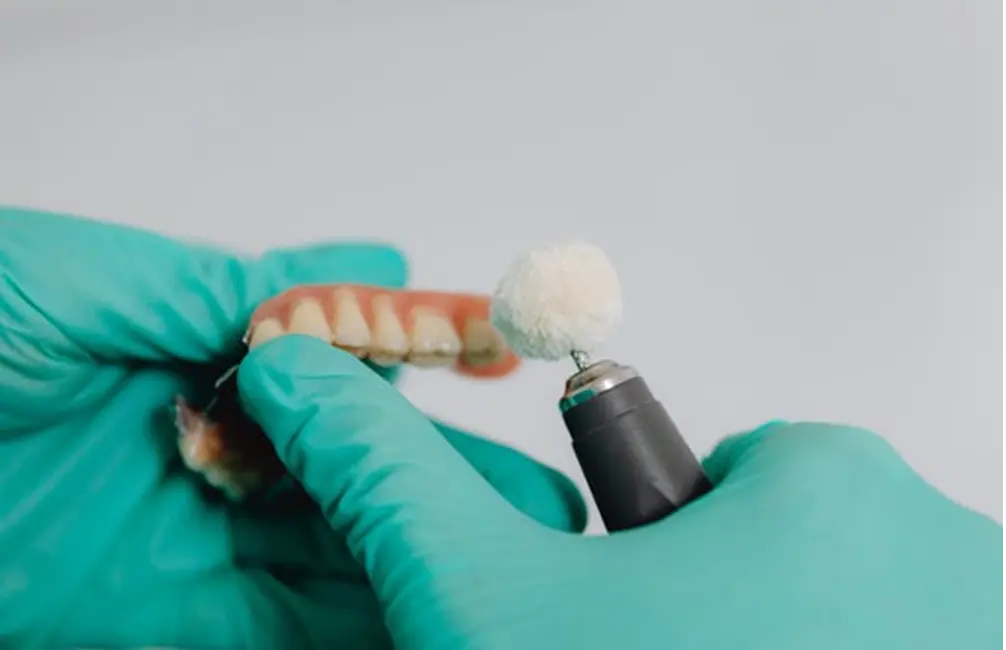
Not dealing with the underlying issue that’s causing your dental pain can eventually lead to tooth loss. When you start losing many of your once healthy teeth, you may eventually have to opt for the dentures Mornington dentists recommend.
There Will Always be Signs
When it comes to needing dentures, it’s important to realise that there will always be signs of dental issues. In many instances, dentures are only recommended as a last resort
Knowing what the signs are may help you make more informed choices about your dental care.
Ultimately, this could help you enjoy the benefits of your own teeth for as long as possible. Here’s what you need to look out for. Resort when treatments such as all-on-4 implants aren’t a viable option.
1. You Don’t Visit the Dentist When You Should
It’s not uncommon for people of all ages to suffer from dental anxiety. Most people put off going to the dentist until the pain of a dental issue has become unbearable or inflammation affects the rest of their body.
No matter how healthy you think your teeth and gums are, dental experts recommend visiting your dentist every six months. Doing this enables your dentist to assess and identify issues that may be developing. They will also be able to provide the necessary care to end rather than suppress dental symptoms. This will, in turn, minimise the risk of losing teeth early on.
2. Gaps Have Formed Between Some of Your Teeth
One of the clearest indicators that you may require dentures down the line is an increasing appearance of gaps between your teeth. For the most part, gaps in your teeth form over time as a result of advanced gum disease.
When these gaps become too big, you may no longer like the way your mouth looks when you smile. Large spaces in your mouth can also affect your speech and the comfort with which you’re able to eat. If left untreated, these teeth may need to be extracted, leaving you needing dentures.
To avoid this situation getting this far, speak to your dentist as soon as you start developing signs of gum disease. In the early stages of gum disease, your dentist may opt for periodontal treatment. This type of treatment may consist of cleaning the pockets around the teeth to prevent further damage to the surrounding teeth and gums.
3. Chronic Toothache has Become Part of Your Daily Routine
Having the occasional toothache is normal and can happen at any time. However, some people may be experiencing a toothache all the time. This is referred to as a chronic toothache and can make eating, drinking, and even smiling uncomfortable.
Chronic pain usually means that decay or inflammation attacks the nerve in the pulp of your tooth. If caught early enough, your dentist can treat this with a simple filling or a root canal procedure. Ignoring the issue can lead to eventual tooth loss, which can lead to you needing full or partial dentures.
4. You Have Developed Frequent Indigestion
When you’re struggling with painful teeth and gums, you may find it increasingly difficult to chew your food properly. Without correctly grinding and breaking food apart, bigger pieces of food are swallowed.
These can be difficult to digest and, in turn, lead to indigestion and bloating. If your mouth is continuously too sore to eat properly, and you suffer from indigestion, speak to your dentist to check if the two issues are related.
5. Your Gums are Often Swollen or Bleeding
Eating hard foods and poor oral hygiene can often lead to bouts of sore gums. However, long-term bleeding, swollen, or tender gums can be a clear sign that you may be developing periodontal disease and early gingivitis.
Since this is the number one reason for adult tooth loss, it’s essential to address any signs of sore, bleeding gums as soon as possible. If left untreated, tender gums can lead to tooth loss, bone loss, and ultimately, dentures.
A few clear indications of gum disease include the following:
- Gums bleed during brushing or flossing
- Persistent bad breath or bad taste in your mouth (even after brushing)
- Red gums that are usually swollen and tender (healthy gums are pink)
- Gums appear to be receding (pulling away from teeth)
Final Thoughts
Combining proper dental care with regular visits to your dentist is two of the most effective ways to avoid ending up with dentures. Some of the very early signs to look out for include chronic toothaches, as well as swollen and bleeding gums.
Losing teeth at a young age is a typical sign that dentures may be in your future if you don’t take the necessary action to resolve underlying dental issues. Be sure to schedule regular visits to your dentist to keep your mouth as healthy as possible!