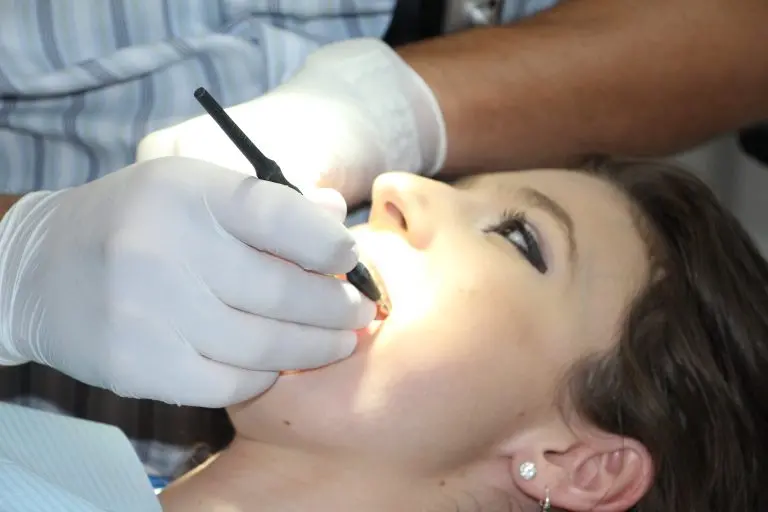
When a person has a tooth pulled, most people think the job is done once the tooth is out. However, for a dentist, pulling the tooth is just the first step. The real challenge is making sure the jawbone stays strong and healthy. If the bone is not cared for, it can shrink or “collapse.” This makes it much harder to give the patient a dental implant later on.
In the past, dentists just focused on getting the tooth out quickly. Today, we use a different goal called “site development.” This means we are preparing the area for a new tooth even before the old one is gone.
Why Does the Bone Shrink?
The jawbone is very interesting. It only stays thick because there is a tooth root inside it. Once that root is gone, the body thinks it doesn’t need that bone anymore. It starts to dissolve the bone and move the minerals somewhere else.
This happens fastest in the “buccal plate,” which is the thin wall of bone on the cheek side of the tooth. In many people, this bone is less than 1 millimeter thick. To give you an idea, that is about the thickness of a credit card. Because it is so thin, it can disappear very quickly after a tooth is pulled. Research shows that without help, the ridge can lose up to 4 millimeters of width in just six months.
A Better Way: The Atraumatic Extraction
To stop the bone from shrinking, dentists use a method called an “atraumatic” extraction. “Atraumatic” just means “without trauma.” The goal is to be as gentle as possible so the bone doesn’t break.
During a standard surgical dental extraction procedure, a dentist follows these steps to save the bone:
- Severing the Ligament: Every tooth is held in place by thousands of tiny fibers called the periodontal ligament. Instead of just pulling the tooth, the dentist uses a small, thin tool called a periotome to cut these fibers all the way around the tooth.
- Using “Bone Creep”: This is a neat trick where the dentist pushes on the tooth gently and waits for about 20 seconds. This slow pressure allows the bone to stretch slightly instead of snapping.
- Sectioning the Tooth: If a tooth has more than one root, the dentist might cut the tooth into pieces. This way, each root can be lifted out straight up without putting pressure on the thin side walls of the bone.
How Socket Preservation Works
Once the tooth is out, the dentist fills the empty hole with a special material. This is called a socket preservation bone graft.
Think of this graft like the wooden frame of a house. It doesn’t become the final bone right away, but it holds the shape of the “house” so the walls don’t fall in. Over time, the body replaces the graft material with real, strong human bone.
Why This Matters for Patients
If a dentist follows these modern steps, the patient’s face looks better and their smile stays more natural. It also saves the patient money and time in the long run because they won’t need more expensive “block grafts” later to fix a collapsed ridge.
Learn More and Get Expert Care
Dentists who want to learn exactly how to perform these steps can take the Extraction & Socket Preservation Online Lecture Series. This course teaches doctors the best ways to handle these surgeries so their patients get the best results.
If you are a patient looking for high-quality care, you can visit Dr. Kambez Shukoor’s DC Implant and Cosmetic Dentistry. Dr. Shukoor uses these advanced methods every day to help his patients keep their smiles healthy and beautiful.