Understanding Accelerated BSN Programs
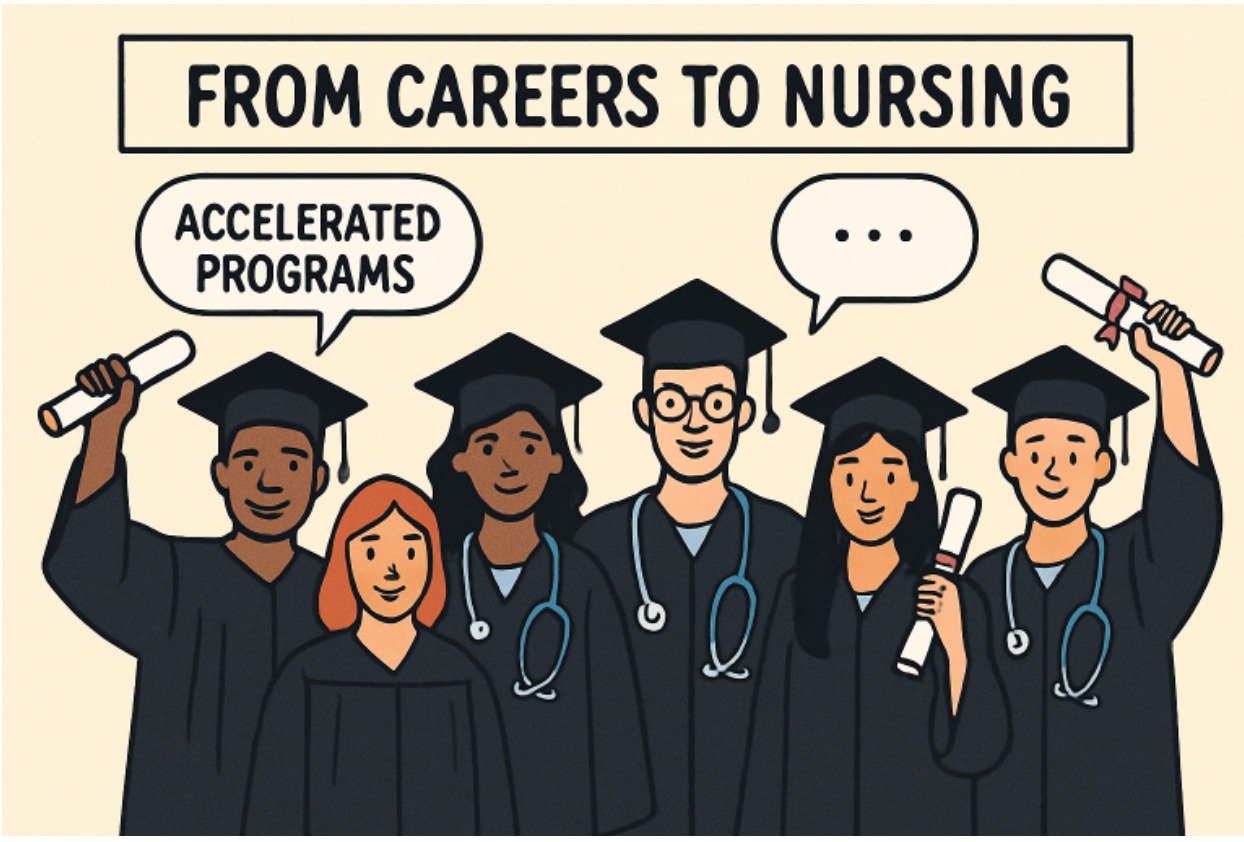
As healthcare systems face mounting pressures from staff shortages and growing patient populations, accelerated Bachelor of Science in Nursing (BSN) programs are becoming a crucial strategy. These programs are designed specifically for individuals who already hold a bachelor’s degree in a non-nursing discipline, offering an expedited route to a rewarding nursing career. Many people find themselves drawn to nursing after working or studying in other fields, and accelerated BSN programs make this transition possible in a short time. Among these innovative offerings are online ABSN programs, which combine speed and flexibility for career changers eager to join the nursing workforce. These online programs often offer asynchronous coursework, allowing students to study when it best fits their schedules, making this option especially attractive for working adults or parents.
Accelerated BSN programs, often offered online with asynchronous coursework, allow students, especially working adults or parents, to study on flexible schedules. Typically lasting 12 to 18 months, these intensive programs compress the standard nursing curriculum, combining theoretical knowledge, hands-on skills, and clinical training. For example, Arkansas State University offers an accelerated BSN track that integrates rigorous coursework with practical clinical experiences, giving students a well-rounded foundation in nursing. With the growing demand for nurses, such programs provide an efficient pathway for mid-career professionals, veterans, and others seeking stable employment. Many programs include clinical experiences, simulations, and mentorship to prepare graduates for competent, compassionate nursing practice from day one.
Benefits of Accelerated BSN Programs
- Rapid Entry into the Workforce: The condensed timelines of accelerated BSN programs enable graduates to enter nursing careers much sooner than in traditional pathways, addressing urgent workforce demands. This quick turnaround allows for an immediate impact on communities facing pressing healthcare provider shortages, especially in critical care, emergency services, and rural health clinics where nurses are especially scarce.
- Specialization Opportunities: Some accelerated programs offer targeted training in fields such as thoracic care or gerontology, helping meet specialized patient needs and fill niche gaps within the health system. This targeted approach not only supports patient populations with unique healthcare needs but also provides graduates a pathway into high-demand specialties, further supporting hospitals and clinics struggling to find qualified professionals.
- Flexibility: Many schools offer hybrid formats—blending online coursework with in-person clinical practice—catering to students from diverse backgrounds, including working professionals and those with family responsibilities. These flexible models have broadened access to nursing education, breaking down barriers for those living in remote areas or juggling life’s many obligations, ensuring that a greater range of individuals can answer the call to healthcare service.
- Workforce Diversification: Attracting applicants from diverse academic and professional backgrounds enriches the nursing profession and fosters a more versatile, empathetic healthcare environment. Nurses with backgrounds in business, education, science, or the arts bring invaluable perspectives to clinical practice, elevating multidisciplinary teamwork and enhancing the patient experience in today’s interconnected world.
Challenges and Considerations
- Intensive Curriculum: Accelerated BSN programs are demanding, requiring exceptional organizational skills and resilience as students tackle fast-paced courses and clinical rotations. The pace can be overwhelming, as students are expected to quickly master complex medical concepts, adapt to clinical environments, and prepare for licensing exams all within a short window of time.
- Clinical Placement Availability: The sharp increase in student numbers can make securing sufficient, high-quality clinical sites and experienced instructors a logistical challenge for universities. Competition for clinical placements may cause scheduling bottlenecks or limit hands-on exposure, critical to preparing safe, skilled nurses.
- Financial Constraints: Although grants and scholarships are available, potential students may face upfront costs and need to weigh their ability to forgo employment during the intensive program temporarily. Living without a steady income while balancing tuition and living costs can be particularly challenging, and students should seek comprehensive financial guidance prior to enrolling.
Prospective students should carefully review the program structure, available resources, and support services to set themselves up for success in these accelerated environments. Mental health resources, peer support networks, and academic coaching can provide the additional assistance needed to handle the pace and pressure of these demanding programs.
The Future of Accelerated BSN Programs
With healthcare facing ongoing strain and increasing complexity, accelerated BSN programs will remain vital to building a resilient and adaptive nursing workforce. Their continued evolution—including expanded online offerings, innovative clinical partnerships, and greater inclusivity—can drive meaningful change, improving both patient care and employment prospects for second-career nurses. The integration of cutting-edge simulation technologies and telehealth training in these programs also readies nurses for a modern healthcare landscape where digital literacy and adaptability are key.
Proactive investment and support from educational institutions, government agencies, and healthcare providers are essential for sustaining and growing these programs. By staying responsive to industry changes and student needs, accelerated BSN programs can help bridge the gap and create a robust nursing workforce for years to come. Such investments foster not only a plentiful supply of nurses but also a more skilled and diverse workforce ready to meet tomorrow’s health challenges.