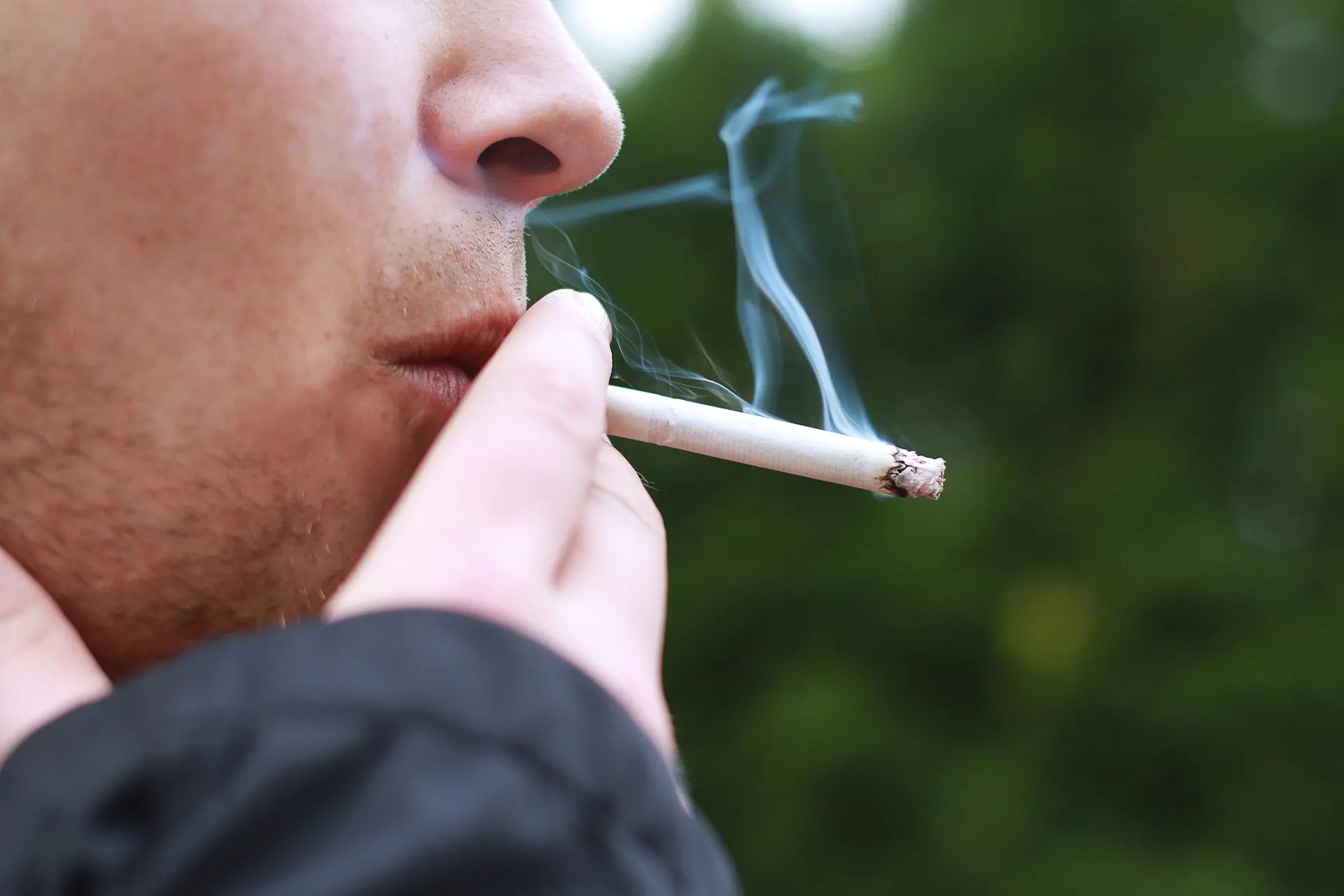
Staying away from smokers matters because secondhand smoke harms the body even in small amounts, and the risks affect nearly every major organ. Medical research shows there is no safe level of exposure, and the effects begin within minutes of breathing in the smoke. cdc.gov
Why avoiding smokers protects your long‑term health
1. Secondhand smoke damages the heart and blood vessels
Breathing smoke from someone else’s cigarette increases the risk of coronary heart disease, heart attacks, and stroke. Even brief exposure can make blood vessels less flexible and cause platelets to become stickier, which raises the chance of a clot forming. Adults exposed to secondhand smoke have a 20–30% higher risk of heart disease and stroke. cdc.gov
2. It increases the risk of cancer
Secondhand smoke contains over 7,000 chemicals, including dozens known to cause cancer. People who don’t smoke but regularly inhale secondhand smoke have a 20–30% higher risk of lung cancer, and evidence links it to cancers of the larynx, sinuses, and possibly breast tissue. lung.org
3. Children are especially vulnerable
Kids breathe faster and have developing lungs, making them more sensitive to toxins. Exposure increases the risk of:
- Asthma attacks and more severe symptoms
- Respiratory infections like pneumonia and bronchitis
- Ear infections and hearing problems
- Sudden Infant Death Syndrome (SIDS) in babies
These health issues lead to more doctor visits, missed school days, and long‑term breathing problems. cdc.gov
4. Smoke lingers long after the cigarette is gone
Even if a smoker steps away, the chemicals settle on clothing, furniture, carpets, and car interiors. This residue—called thirdhand smoke—can re‑enter the air and be inhaled later, especially by children and pets who spend time close to surfaces. lung.org
5. Exposure during pregnancy harms both mother and baby
Pregnant women exposed to secondhand smoke face higher risks of complications, and babies are more likely to be born with low birth weight, lung problems, or developmental issues. cancer.org
Why distance matters even outdoors
Many people assume outdoor smoke is harmless, but smoke can linger in still air, drift toward others, and expose you to the same toxins—just at lower concentrations. For people with asthma, allergies, or heart conditions, even small amounts can trigger symptoms.
Practical ways to protect yourself
- Choose smoke‑free restaurants, parks, and public spaces.
- Ask friends or family who smoke to do so far away from entrances, windows, and shared areas.
- Keep your home and car completely smoke‑free.
- If you live in multi‑unit housing, consider air purifiers and talk to management about smoke‑free policies.
Avoiding smokers isn’t about judgment—it’s about protecting your lungs, heart, and long‑term health. The science is clear: every bit of secondhand smoke adds up, and staying away is one of the simplest ways to reduce preventable health risks.