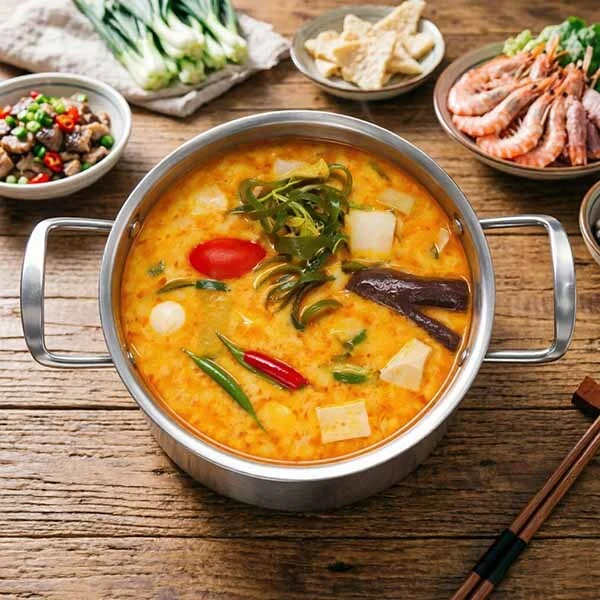
Chinese hot pot is much more than a traditional dish. It is a unique dining style that combines food, interaction, and social connection.
Unlike regular meals where dishes are prepared in advance, hot pot allows customers to cook fresh ingredients themselves around a shared pot of simmering soup. Guests can enjoy different types of meat, seafood, vegetables, mushrooms, tofu, and noodles while sharing time with friends, family, or business partners.
For restaurant owners, understanding the concept behind Chinese hot pot is important because the success of a hot pot restaurant depends not only on service and atmosphere, but also on one key element — the hot pot soup base.
The soup base creates the main flavor of the restaurant. It affects the aroma, taste, and overall dining experience, making it one of the most important factors when building a successful hot pot menu.
Why Is Chinese Hot Pot Becoming More Popular Worldwide?
Originally from China, hot pot has developed into a global dining trend. Today, hot pot restaurants can be found across North America, Europe, Southeast Asia, the Middle East, and many other markets.
There are several reasons why more restaurant owners are choosing to add hot pot to their menus.
1. A More Interactive Dining Experience
Hot pot allows customers to participate in the cooking process. Instead of simply waiting for prepared dishes, guests can choose ingredients, control cooking time, and create their own dining experience.
This interaction makes meals more enjoyable and memorable.
2. Ideal for Group Dining
Hot pot is naturally designed for sharing. It is suitable for family gatherings, friend meetings, celebrations, and business dinners.
Because multiple people can enjoy one table together, hot pot restaurants often have strong table value and customer engagement.
3. Flexible Flavor Options
Different customers have different taste preferences. Some enjoy spicy flavors, while others prefer lighter and healthier choices.
By offering several hot pot soup base options, restaurants can serve a wider customer group and increase customer satisfaction.
4. Strong Customer Loyalty
A delicious and consistent soup base can become the signature flavor of a restaurant. When customers enjoy the taste and quality, they are more likely to return and recommend the restaurant to others.
Popular Types of Chinese Hot Pot Soup Base
The hot pot soup base is considered the heart of hot pot cuisine. Different regions of China have created unique soup base styles based on local ingredients and traditions.
Sichuan Mala Soup Base
One of the most famous Chinese hot pot flavors. It combines chili, Sichuan peppercorn, and aromatic spices to create a spicy and slightly numbing taste.
This bold flavor has gained popularity among customers around the world.
Beef Tallow Hot Pot Soup Base
A classic Chongqing-style soup base known for its rich aroma and deep flavor. It is especially popular among customers who enjoy traditional spicy hot pot.
Tomato Hot Pot Soup Base
A mild and refreshing option with a slightly sweet taste. It is suitable for families, children, and customers who prefer non-spicy flavors.
Mushroom and Herbal Soup Base
A lighter soup option featuring natural ingredients. It is a popular choice for customers looking for a healthier hot pot experience.
Dual Flavor Hot Pot Soup Base
Many restaurants use divided hot pots to offer two different flavors at the same time, such as spicy and non-spicy soup bases. This gives customers more choices and improves the dining experience.
For new hot pot restaurants, starting with several popular flavors is usually a practical approach before expanding the menu.
Important Factors Before Opening a Hot Pot Restaurant
Opening a hot pot restaurant requires careful planning. Besides location and restaurant design, several important factors should be considered.
1. Know Your Target Customers
Before selecting your menu, understand your local market. Consider customer preferences, spice tolerance, and popular dining habits in your area.
2. Prepare the Right Restaurant Equipment
A successful hot pot restaurant requires suitable equipment, including:
- Hot pot dining tables
- Commercial induction cookers
- Soup pots
- Ventilation or smokeless systems
The right equipment improves operation efficiency and customer comfort.
3. Work With a Reliable Hot Pot Soup Base Supplier
A professional hot pot soup base supplier can provide stable quality, consistent flavor, and reliable bulk supply.
For restaurant owners, choosing an experienced supplier helps reduce preparation time, maintain product consistency, and support long-term business growth.
4. Build a Simple but Strong Menu
A successful hot pot restaurant does not need too many choices at the beginning. Starting with several popular soup bases and high-quality ingredients allows restaurants to build a strong foundation.
Final Thoughts
Chinese hot pot is not only about cooking food in a boiling pot. It represents sharing, interaction, and cultural experience.
For restaurant owners, building a successful hot pot business requires the right location, reliable equipment, and most importantly, a high-quality hot pot soup base.
The soup base creates the identity of the restaurant. A consistent and delicious flavor can turn first-time visitors into loyal customers and help your hot pot restaurant stand out in a competitive market.