GLP-1 medications have changed the treatment of obesity, helping many people reduce appetite, lose weight, and improve metabolic health. But successful treatment involves more than watching the number on the scale fall. Preserving strength, mobility, and bone health also matters. Weight-bearing activity and resistance training, including Weight-Bearing Exercise, can support these goals, helping people build a healthier, more capable body as their weight changes. Understanding the difference between these exercise types is an important first step.
Why Muscle Health Matters During Weight Loss
Weight loss typically involves losing fat and some lean tissue, whether it results from medication, dietary changes, or surgery. However, lean tissue includes water, organs, and other tissues—not just skeletal muscle. A decline in measured lean mass therefore does not automatically mean an equivalent loss of muscle or strength. Research continues to clarify how GLP-1 treatment affects these different components. A small 2026 clinical study found improved body composition without reduced strength, reinforcing the importance of evaluating function alongside body weight.
Muscle supports everyday activities, including climbing stairs, carrying groceries, and getting out of a chair. Protecting these abilities is especially important for older adults and people who already have limited strength. Rather than focusing exclusively on pounds lost, patients and clinicians can also monitor walking ability, exercise performance, and whether daily tasks become easier.
Weight-Bearing Exercise and Resistance Training Are Different
Weight-bearing exercise means moving while supporting your body against gravity. Walking, dancing, and climbing stairs are familiar examples. These activities place a load on the skeleton and can contribute to bone health. Swimming and cycling offer valuable cardiovascular benefits, but they do not provide the same weight-bearing stimulus.
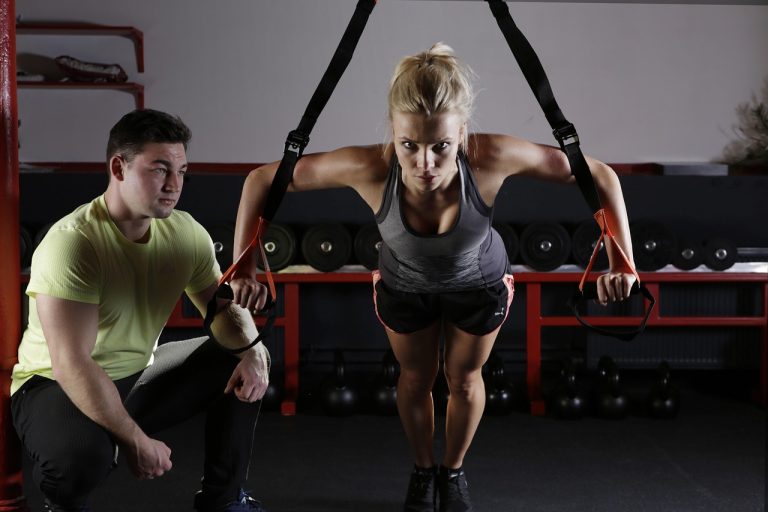
Resistance training means making muscles work against an opposing force. That force can come from dumbbells, resistance bands, machines, or your own body weight. Examples include chair squats, wall push-ups, and band rows. Some movements fit both categories, but walking alone does not provide the same muscle-strengthening challenge as a structured resistance program. A balanced routine can include both.
Building Strength While Taking GLP-1 Medication
Resistance exercise gives muscles a reason to maintain or develop their capacity during weight loss. A joint advisory from major nutrition and obesity organizations emphasizes adequate protein intake and strength training as complementary priorities during GLP-1 treatment. Eating more protein alone does not replace the stimulus provided by exercise.
Beginners can start with manageable movements, such as standing up from a sturdy chair, pushing against a wall, or pulling a light resistance band. The goal is controlled movement with good technique. As exercises become easier, resistance or repetitions can increase gradually. A physical therapist or qualified trainer can help adapt movements to individual limitations.
Supporting Bone Health and Balance
Bone is living tissue that responds to physical loading. Weight-bearing and resistance exercises help support bone strength, while balance exercises can reduce the likelihood of falls. These benefits deserve attention during weight management, particularly among people with osteoporosis, previous fractures, or advancing age.
Exercise should match the person’s condition. Someone with osteoporosis or significant joint problems may need modified movements rather than jumping or heavy lifting. A clinician can help identify suitable activities and determine whether additional bone-health assessment is appropriate. More demanding exercise is not automatically better.
Pairing Exercise With Adequate Nutrition
Because GLP-1 treatments, such as the popular Zepbound, can reduce appetite, people may find it harder to consume enough nutritious food. Regular meals containing protein sources, such as eggs, yogurt, fish, beans, or tofu, can help support an exercise routine. Individual protein needs depend on factors including age, body size, activity, and kidney health.
Hydration also deserves attention, especially when nausea, vomiting, or diarrhea affects intake. Persistent difficulty eating or drinking should be discussed with the prescribing clinician. A registered dietitian can help create a practical eating plan that supports weight loss without neglecting nutritional needs.
Creating a Sustainable Routine
General adult activity guidelines recommend at least 150 minutes of moderate-intensity aerobic activity weekly, plus muscle-strengthening activity on at least two days. People who are inactive can begin with shorter sessions and build gradually toward those targets.
Consistency matters more than exhausting workouts. A realistic plan might combine regular walks with two brief strength sessions, allowing recovery between them. Adjust activity when illness or medication side effects interfere. With appropriate guidance, exercise can become a lasting part of treatment, supporting strength, confidence, and independence throughout the weight-loss journey.