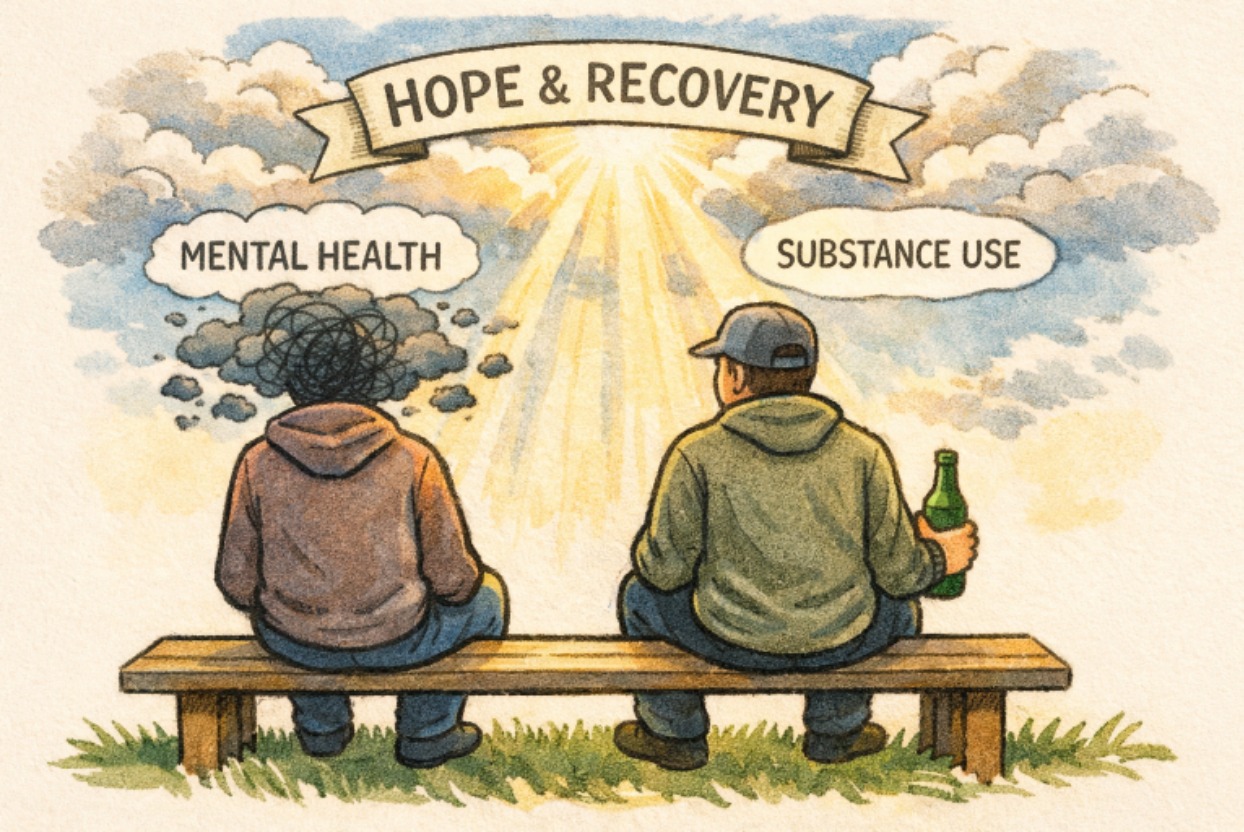
Dealing with both mental health issues and substance use disorders in tandem can feel overwhelming. Many individuals find that symptoms from one disorder often aggravate the other, complicating not only their daily lives but also the path to recovery. Access to effective resources, such as Riviera Recovery, can make a significant difference in navigating these challenges and finding hope.
Comprehensive management for co-occurring disorders begins with recognizing how mental health and substance use issues interact, then developing an integrated plan that treats both simultaneously. When addressed together, individuals have a greater chance of making sustained progress and improving their overall health and quality of life.
Understanding Co-Occurring Disorders
Co-occurring disorders, sometimes referred to as dual diagnoses, are diagnosed when a person is living with a mental health condition and a substance use disorder at the same time. Common combinations include depression and alcohol use disorder, anxiety and cannabis use, or bipolar disorder and stimulant addiction. These conditions often feed off one another, with symptoms of one disorder worsening the other.
Sometimes, people develop substance use problems as a way to self-medicate for an existing mental health disorder. In other cases, substance use may trigger or worsen symptoms of underlying psychiatric illnesses. Accurate diagnosis is key, as the overlap in symptoms can make it difficult to determine where one disorder ends and the other begins. According to research from the National Institute of Mental Health, integrated approaches are essential to ensure that all aspects of a person’s health are comprehensively addressed.
Prevalence and Impact
Studies indicate that a significant portion of individuals diagnosed with substance use disorders will also experience a mental health disorder at some point during their lives. The National Institute on Drug Abuse estimates that nearly half of those dealing with addiction also have a mental health condition. This overlap can result in heightened medical complications, increased emergency room visits, longer hospital stays, and a greater risk of self-harm or suicide.
The impact extends beyond health and medical outcomes. Co-occurring disorders often disrupt relationships, employment, and daily functioning. Addressing both components is vital not only for symptom management but also for helping individuals rebuild their lives and reduce the risk of relapse.
Integrated Treatment Approaches
Treating individuals with co-occurring disorders requires coordinated care that addresses both mental health and substance use at the same time. The most effective treatment models offer a blend of medical, therapeutic, and community-based supports. Integrated treatment helps eliminate gaps in care and reduces the risk of symptoms falling through the cracks because all health professionals involved have a holistic understanding of the person’s needs.
Benefits of Integrated Care
Integrated treatment programs have been shown to reduce substance use, improve adherence to medication and therapy, lessen psychiatric symptoms, and enhance quality of life measures. When both conditions are managed together, individuals are more likely to stick to their recovery plans and advocate for their own mental health needs.
Components of Integrated Treatment
For integrated care to be successful, several core components are typically included:
- Comprehensive Assessment: Screening for both substance use and mental health issues is essential to build a clear picture of a person’s challenges.
- Individualized Care Plans: Each person’s treatment should be customized to reflect their unique history, diagnosis, and goals.
- Behavioral Therapies: Approaches like cognitive-behavioral therapy (CBT) and motivational interviewing are commonly used to address patterns of thinking and coping.
- Medication Management: Many co-occurring disorders require prescription medications for symptom relief and stabilization, with close monitoring for interactions.
- Support Systems: Ongoing connection with support groups, family, and community resources can provide accountability and encouragement through the recovery journey.
Challenges in Treatment
Treating co-occurring disorders is not without obstacles. Diagnosing both disorders accurately can be complex due to symptom overlap. This can delay essential care or result in inadequate treatment if only one disorder is addressed. In addition, some individuals struggle to seek help because they fear judgment or discrimination based on their diagnoses. Access to programs that provide integrated, specialized care may also be limited, especially in rural or underserved communities.
Strategies for Effective Management
There are several practical strategies that people with co-occurring disorders, and those supporting them, can use to improve outcomes and quality of life:
- Early Intervention: Acting quickly when symptoms of substance use or mental health issues appear is essential. Early professional support leads to better results.
- Education: Learning about both conditions and how they interact equips people to make informed decisions and advocate for their needs.
- Engagement in Therapy: Active involvement in individual or group therapy can provide tools to navigate triggers, cravings, and emotional stressors.
- Building a Support Network: Connection with family, friends, and peer groups helps foster long-term recovery and resilience.
- Self-Care Practices: Healthy habits, such as eating well, exercising regularly, and prioritizing sleep, play a major role in stabilizing mood and reducing the risk of relapse.
Conclusion
Managing co-occurring mental health and substance use disorders is a complex process, but integrated care approaches and tailored strategies can make recovery attainable. With the right tools and support systems in place, individuals can break the cycle, improve their well-being, and move forward to live fuller, more meaningful lives.