


Marketing medical devices isn’t like selling software or consumer products. You’re navigating FDA regulations, long sales cycles, multiple decision-makers and the reality that your product directly impacts patient outcomes. Get it wrong and you’re not just losing sales – you’re potentially putting lives at risk or facing regulatory penalties.
The good news? Effective medical device marketing strategies exist that balance compliance with creativity, education with persuasion and technical accuracy with compelling storytelling. This article will explain what actually works.
Understand Your Regulatory Boundaries (And Work Within Them)
Before you write a single piece of marketing content, know your regulatory constraints. The FDA doesn’t mess around with medical device advertising, and neither should you. Claims need validation. Benefits require evidence. Off-label promotion can land you in serious trouble.
This doesn’t mean your marketing has to be boring. It means you need to be strategic. Work closely with regulatory affairs from day one. Build approval processes into your content calendar. Yes, it takes longer. Yes, it’s worth it. A delayed campaign is better than a recalled one.
Smart medical device companies actually use regulatory compliance as a competitive advantage. When you can demonstrate FDA clearance or CE marking in your marketing, you’re not just checking a box – you’re building credibility that fly-by-night competitors can’t match.
Speak Different Languages to Different Audiences
Medical device marketing tips often overlook a critical reality: you’re usually selling to multiple audiences simultaneously. The surgeon who’ll use your device has different concerns than the hospital procurement committee that approves the budget. The patient advocacy group cares about outcomes. The C-suite cares about cost containment.
Your marketing strategies need to address all of them without diluting your message. This means creating audience-specific content. Case studies that speak to clinical efficacy for physicians. ROI calculators and total cost of ownership analyses for administrators. Patient outcome data and quality of life improvements for patient-facing materials.
Don’t make the mistake of creating one generic brochure and hoping it resonates with everyone. It won’t.
Invest Heavily in Educational Content
In medical device marketing, education isn’t just content marketing – it’s a business imperative. Healthcare professionals need to understand not just what your device does but how it fits into clinical workflows, what the evidence base looks like and how it compares to existing solutions.
This is where many medical device companies leave money on the table. They create basic product literature and call it a day. Meanwhile, their competitors are publishing whitepapers, hosting webinars, creating surgical technique videos and building comprehensive resource libraries that position them as thought leaders.
Your educational content should answer the questions your prospects are actually asking. What does the clinical data show? How steep is the learning curve? What complications might arise? What’s the reimbursement process like? These aren’t softball questions, but addressing them head-on builds trust faster than any marketing fluff ever could.
Build a Website That Actually Converts
Medical device company websites are often terrible. They’re either sterile corporate brochures that say nothing meaningful or they’re so technical that only engineers can understand them. And the design quality is often subpar, which is problematic because the website design of a medical device is often seen as a direct reflection of the product quality.
Your digital presence needs to work harder. That means:
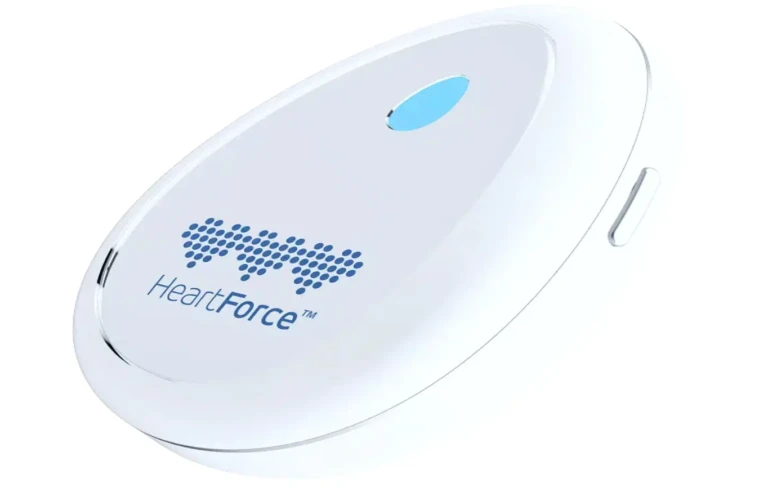
- Make your website design clean and modern. A good example is the HeartForce CAD Screening Device website, built by Azuro Digital.
- SEO-optimized content that helps prospects find you when they’re researching solutions.
- Clear value propositions that immediately communicate your differentiation.
- Easy access to clinical evidence and technical specifications.
- Multiple conversion paths for different buyer personas.
- Fast load times and mobile optimization (yes, surgeons browse on their phones between cases).
Medical device marketing strategies that ignore digital are leaving revenue on the table. Your prospects are online researching solutions whether you’re there or not. The question is whether they’re finding you or your competitors.
Leverage Clinical Evidence in Everything You Do
Nothing sells medical devices like evidence. Published studies. Real-world data. Peer-reviewed research. Case series. Registry data. If you have it, use it. If you don’t have it, consider how you might generate it.
Clinical evidence should be woven throughout your marketing. Not buried in a technical document that no one reads, but prominently featured in sales presentations, on product pages, in case studies and in conversations with key opinion leaders.
When you’re marketing medical devices, you’re not selling features – you’re selling outcomes. That means highlighting patient results, complication rates, procedure times, recovery metrics and cost savings. Back every claim with data and make that data easily accessible.
Cultivate Key Opinion Leaders (The Right Way)
Key opinion leaders can make or break medical device launches. But relationships with KOLs need to be handled carefully and ethically. This isn’t about paying doctors to say nice things about your product – it’s about genuine collaboration with clinicians who believe in what you’re building.
The best KOL relationships are reciprocal. You provide them with innovative technology that helps them deliver better patient care. They provide you with clinical insights, real-world feedback and credible validation. These relationships should be transparent, compliant and focused on improving patient outcomes above all else.
Don’t Neglect Traditional Tactics
Yes, digital marketing matters. But in medical device marketing, traditional tactics still deliver results. Medical conferences and trade shows remain crucial for product demonstrations and relationship building. Peer-to-peer recommendations still drive adoption. Sales reps who can provide clinical education and procedural support still matter enormously.
The most effective medical device marketing strategies combine digital and traditional approaches. Use digital to build awareness and educate. Use traditional tactics to demonstrate, build relationships and close deals.
Measure What Matters
Marketing tips for medical devices should always include measurement. But you need to track metrics that actually correlate with business outcomes, not vanity metrics that look good in reports but mean nothing for revenue.
In medical device marketing, relevant metrics might include: qualified leads generated from target accounts, clinical trial enrollments, KOL engagement rates, content downloads from high-value prospects, sales cycle length, win rates against specific competitors and customer lifetime value.
Track these metrics consistently. Use them to optimize campaigns. Double down on what works. Kill what doesn’t. Repeat.
The Bottom Line
Medical device marketing is complex, regulated and high-stakes. But it’s also incredibly rewarding when done well. Focus on education over promotion. Lead with evidence. Build genuine relationships. Stay compliant. Speak to your specific audiences with messages that resonate with their unique concerns.
The medical device companies that win aren’t necessarily those with the best technology – they’re the ones that most effectively communicate value, build trust and make the buying process as smooth as possible for all stakeholders involved.
Your marketing should reflect the quality and precision of the devices you’re selling. Make every word count. Back every claim with evidence. And never forget that behind every purchase decision is a healthcare professional trying to deliver the best possible care to their patients.