



For people who need extended periods of rest or recuperation, the bed itself becomes more than a piece of furniture, it plays a central role in comfort, mobility, and overall quality of life. Traditional hospital beds, with their clinical appearance and specialized functionality, were once the default choice for long-term support outside of hospitals and care facilities. Today, however, the market offers a growing variety of modern alternatives that blend therapeutic benefit with home-friendly design.
These alternatives aim to address several pain points associated with long-term bed use: lack of aesthetic integration with residential spaces, restricted adjustability, and limited personalization. In response, adjustable and supportive beds designed for home use have risen in prominence, offering ergonomic features similar to clinical equipment while maintaining comfort and style. For many households, products such as Flexabed Luxury Alternative to Hospital Beds have become part of broader conversations around creating supportive environments that preserve dignity, autonomy, and everyday living quality.
To understand why these alternatives have become increasingly relevant, it helps to look at the evolving needs of long-term support, the limitations of traditional hospital beds in residential contexts, and how modern adjustable options are reshaping perceptions of comfort and functionality outside institutional settings.
The shifting landscape of long-term support needs
The need for supportive beds extends far beyond acute medical care. Aging populations, chronic conditions, mobility impairments, and post-surgical recovery are just a few of the situations in which individuals may require enhanced bedding support over extended periods. In many of these cases, the goal is not only physical recovery but also sustained comfort that allows people to maintain independence and quality of life.
National health agencies recognize that as people age, sleep patterns, mobility, and physical resilience all change, and environments, including beds, must adapt accordingly. The American Academy of Sleep Medicine notes that sleep health is closely tied to physical support, posture, and musculoskeletal comfort, especially for those with chronic conditions or pain. When a bed fails to offer appropriate support, secondary issues like stiffness, pressure sores, and discomfort can arise, complicating overall wellbeing.
These considerations are not limited to clinical settings. For many people managing long-term support at home, the bed becomes central to daily routines, requiring a balance of comfort, adjustability, and day-to-day usability that traditional hospital beds don’t always provide.
Limitations of traditional hospital beds in home environments
Hospital beds are designed to facilitate medical procedures and caregiver access. They typically allow for height and angle adjustments controlled by electronic or manual systems, and are built to withstand frequent repositioning. Clinically, these features serve important functions: they help reduce caregiver strain, improve patient positioning, and support medical activities such as wound care or respiratory therapy.
However, these benefits do not automatically translate to residential settings. Many people find that:
- Hospital beds have an institutional look that doesn’t blend well with bedroom decor, impacting the sense of homeliness.
- They may feel rigid or unfamiliar, disrupting sleep quality due to unfamiliar mechanisms and mattress interfaces.
- Some models are large or bulky, complicating room layout and limiting space use.
- Caregiver features (like rails or crank systems) may feel unnecessary or even intimidating outside clinical contexts.
These factors illustrate why many households seeking long-term support look for alternatives that retain the functional benefits of adjustability without the aesthetic and practical limitations of clinical beds.
The rise of adjustable beds with therapeutic focus
Adjustable beds designed for residential use have grown in popularity precisely because they offer a hybrid solution: clinical functionality embedded in consumer-oriented design. Unlike standard mattresses, these beds allow users to modify the position of the head, legs, and overall incline. This adjustability can serve a range of needs:
- Reducing lower back strain by elevating the upper body
- Relieving pressure points for individuals with circulatory or respiratory concerns
- Allowing easier ingress and egress for people with limited mobility
- Supporting ergonomic reading, watching, or resting positions
The increasing availability of options reflects not only engineering advances but also a shift in how comfort and support are framed. No longer confined to the realm of medical necessity, adjustable beds are now understood as a proactive approach to ergonomic health in home environments. People use them not only for recovery but also for everyday comfort, from afternoon naps to evening relaxation.
Customization and personal comfort
A critical factor in the appeal of modern adjustable beds is the degree of customization they offer. Many models allow users to preset positions, adjust tension zones, and fine-tune angles to suit individual preferences. For households with multiple users, this customization can be especially valuable, allowing each person to define their own comfort profile.
Furthermore, optional accessories, such as memory foam overlays, therapeutic mattress layers, and remote controls, enhance the personal experience. This level of personalization stands in contrast to the one-size-fits-all approach of many traditional hospital beds.
Aesthetic and lifestyle integration
Where traditional hospital beds are often visually at odds with home decor, many modern adjustable beds are designed to integrate seamlessly into bedroom aesthetics. Upholstered frames, coordinated bedding options, and sleek design lines make it easier to create a cohesive living space that supports both comfort and style.
This integration matters because the bed is not just a functional object; it is a central element of daily life. A supportive, visually appealing bed can contribute to a sense of wellbeing and emotional comfort that extends beyond physical support.
Supporting caregivers and independence
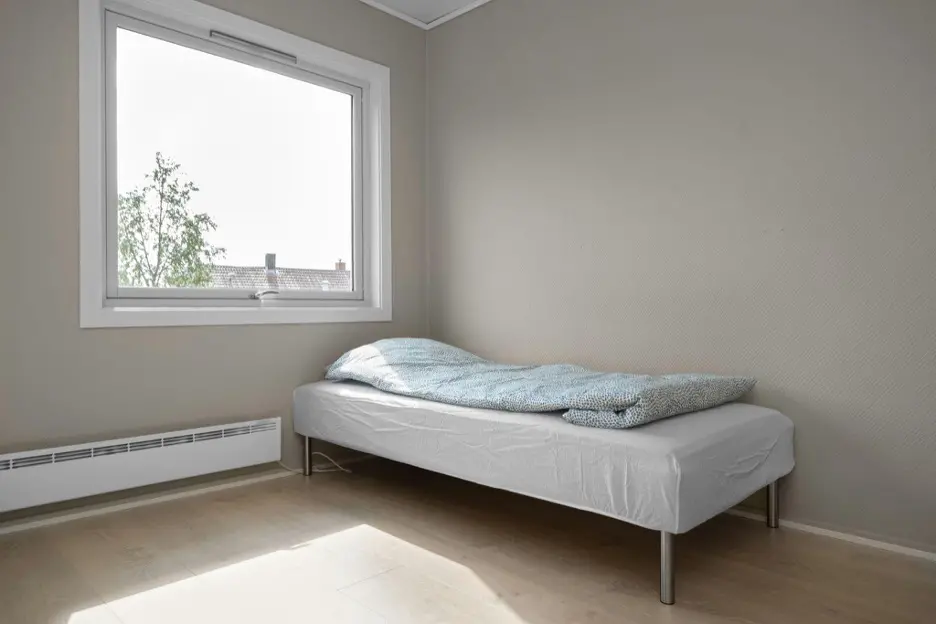
Photo by Alex Tyson on Unsplash
Adjustable beds can also play a role in caregiving scenarios without imposing clinical connotations. Features that allow a section of the bed to elevate for seated positioning, for example, can reduce physical strain on caregivers assisting with transfers or daily routines. Motorized adjustments can make repositioning easier without physical lifting, which can protect caregiver musculoskeletal health.
At the same time, the sense of independence that comes with being able to adjust one’s own bed, without assistance, can enhance dignity and self-efficacy for people managing long-term support needs.
Safety and ergonomic design
Safety features are another important part of modern bed design. Adjustable beds often include mechanisms that minimize the risk of pinching, provide stable elevation transitions, and prevent unintentional movement. These elements support both user comfort and risk reduction, particularly for individuals with limited mobility or balance challenges.
Ergonomic design principles, such as pressure relief zones and contour-matching surfaces, further enhance support, helping reduce risk of discomfort or pressure-related skin issues that can arise from prolonged bed use.
A broader perspective on quality of life
Perhaps the most significant shift represented by modern bed alternatives is the reframing of long-term support from a purely clinical concern to a holistic quality-of-life question. Beds are no longer seen only as zones of rest or medical necessity; they are part of the architecture of everyday living.
This reflects a broader trend in health and lifestyle design that positions comfort, self-regulation, and autonomy as critical components of wellness. People increasingly value environments that support their physical needs without isolating them from their broader life rhythms.
Integrating support into everyday routines
Choosing an adjustable bed is not just about addressing specific medical needs. For many, it is a way of integrating physical support into regular routines, from reading in the morning to relaxing in the evening, without creating a constant reminder of illness or limitation.
The result is a living environment that feels both supportive and normal, where comfort is integrated into daily patterns rather than compartmentalized into clinical contexts.
The future of supportive bedding
As technology evolves and design sensibilities shift, adjustable beds and other alternatives to traditional hospital beds will likely continue expanding their presence in homes, hospitality settings, and mixed-use environments. Advancements in mattress materials, sensor-based comfort adaptation, and connected controls could further personalize support and responsiveness.
At the same time, broader conversations about aging in place, ergonomic living, and home-based care will continue to shape product innovation. Beds that support long-term comfort, mobility, and integrated living are now part of a larger ecosystem of lifestyle products designed to enhance daily life without sacrificing autonomy or aesthetic coherence.