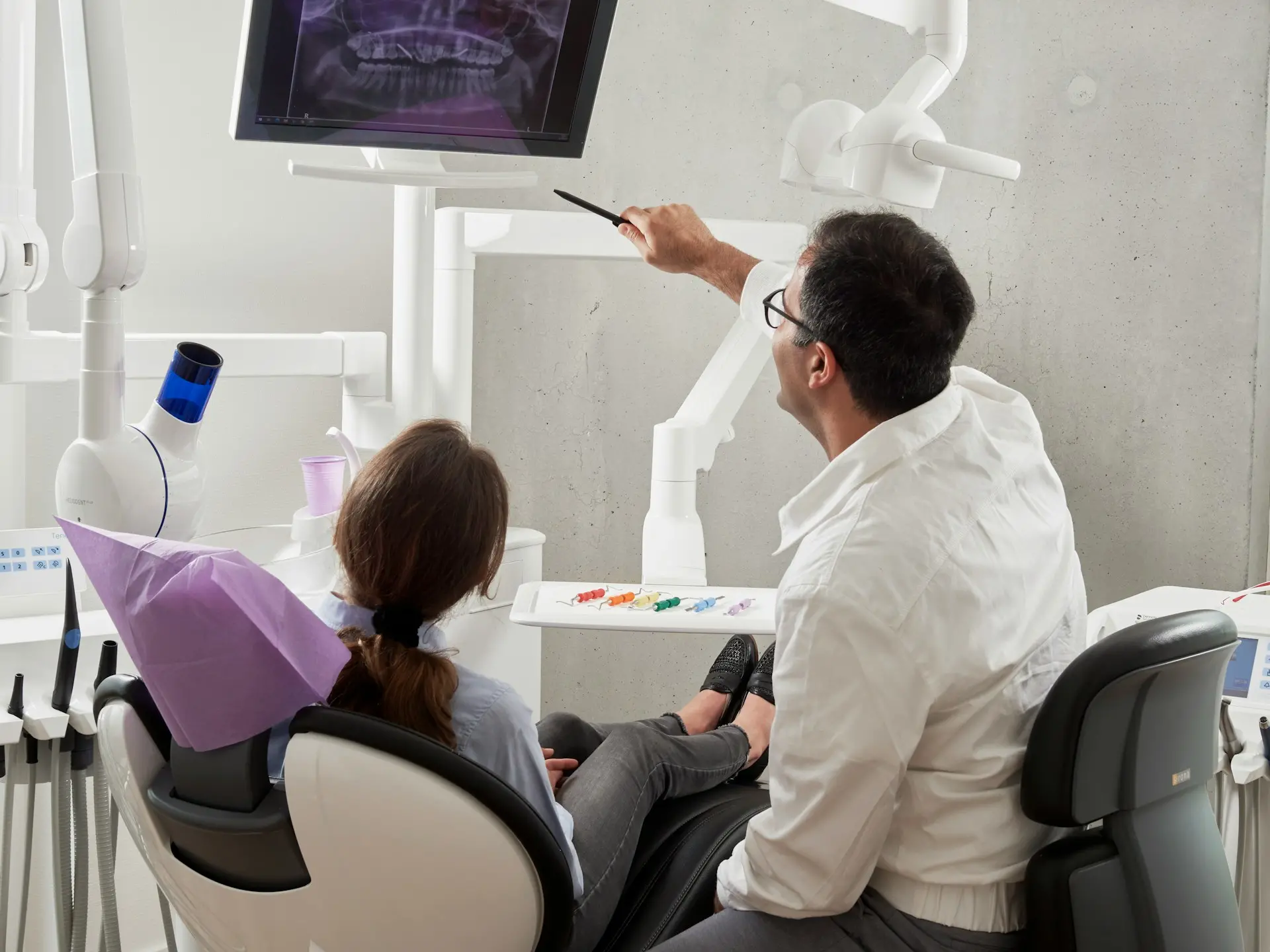
There is a moment that happens in dental chairs all over the world, and it is rarely talked about. A patient walks in hunched, careful about eye contact, instinctively covering their mouth when they laugh. Then, weeks or months later, they walk out standing differently. Something has shifted. Not just in their teeth, but in the way they carry themselves through the world. That transformation is the quiet, extraordinary work that skilled dental professionals do every single day.
It would be easy to reduce a dental visit to its most clinical elements: the X-rays, the tools, the appointments, the follow-up care. But that framing misses something essential. The people behind this work are doing something that sits at the intersection of medicine, art, and human psychology. They are rebuilding more than enamel. They are rebuilding confidence, and that is a gift with consequences that extend far beyond the mouth.
The Hidden Weight of a Smile
Most people do not think deeply about how much their smile affects their daily life until something changes. A chipped front tooth after an accident. Years of grinding that have worn down once-sharp edges. A gap that appeared gradually and then became impossible to ignore in photographs. These are not vanities. These are real disruptions to how a person experiences their own identity.
Confidence is not purely psychological. It is physical and social too. When someone feels good about their smile, they speak more freely, laugh more openly, and engage more fully with the people around them. When they do not, those interactions become exercises in management: angling away from cameras, laughing with a hand held in front of the mouth, speaking quickly to avoid lingering on certain sounds. Over time, that management becomes exhausting. It narrows a person’s world in ways they may not even consciously acknowledge.
The professionals addressing this exhaustion are doing work that rarely earns front-page coverage. Yet the outcomes they produce are deeply personal and quietly life-changing. The patient who finally smiles without thinking about it is not just experiencing better oral health. They are experiencing a version of freedom that they may not have felt in years. And while the clinical record captures the procedure, it can never fully capture the human weight of that moment.
Precision, Craft, and Genuine Care
What makes excellent dental work so impressive is how much it demands simultaneously. The technical knowledge required to plan and execute complex procedures is rigorous on its own. But layered on top of that is an aesthetic sensibility that is genuinely artistic. Creating a restoration that looks natural, fits comfortably, and harmonizes with a person’s existing features requires the kind of trained eye you might expect from a sculptor or a portrait artist.
The best practitioners in the field treat each case as its own challenge. No two mouths are identical. No two patients have the same history, the same concerns, or the same vision for what they want. Listening carefully, assessing thoroughly, and then executing with precision is a skill set that takes years to develop and a lifetime to refine. Those who do it well make it look effortless, which is perhaps why the depth of skill involved goes largely unappreciated.
Beyond the technical side, there is also the matter of trust. Dental care requires a patient to be physically vulnerable. They recline, open up, and hand over control to someone else. Building the kind of trust that makes that experience comfortable rather than anxiety-inducing is its own art form. It requires patience, communication, empathy, and a genuine interest in the person sitting in the chair, not just the problem being treated.
What Great Dental Care Actually Looks Like
Great dental care begins with the recognition that patients are whole people, not simply collections of teeth. The best providers take time to understand what is bothering someone beyond the immediate clinical concern. Is there anxiety about previous experiences? Are there financial pressures shaping treatment decisions? Is the patient clear on what is possible and what the process will involve? These questions matter, and providers who ask them tend to produce better outcomes on every measure.
Transparency matters enormously. When patients understand what is happening and why, their experience improves substantially. Anxiety decreases. Cooperation increases. And the relationship between patient and provider becomes one of genuine partnership rather than passive compliance. That kind of relationship produces better outcomes across the board.
In places like Adelaide, where the culture around healthcare tends to be personal and community-oriented, this approach feels especially natural. A dentist Adelaide patients trust is not just technically skilled. They are someone who takes the time to know their patients, who communicates honestly, and who treats the experience of visiting the dental office as something that should feel safe and even positive. That culture of care is one of the defining features of the best practices in the region.
Confidence as a Lasting Outcome
The outcomes of great dental work do not end when someone leaves the chair. They carry forward into interviews, into first dates, into reunions with old friends, into photographs taken at moments worth remembering. The professional who made those outcomes possible often never knows the full extent of the difference they made. That is part of what makes this work both humble and profound.
There is something worth acknowledging in the fact that dental professionals show up, day after day, and do work that demands precision, compassion, and artistry in equal measure. They help people feel at home in their own faces. They give people back the simple, powerful act of smiling without hesitation. That act, repeated across thousands of patients over a career, represents a remarkable contribution to human flourishing.
In a world that often celebrates the loud and visible forms of transformation, the quiet work of rebuilding confidence, one smile at a time, deserves genuine recognition. The artists doing that work have earned it.