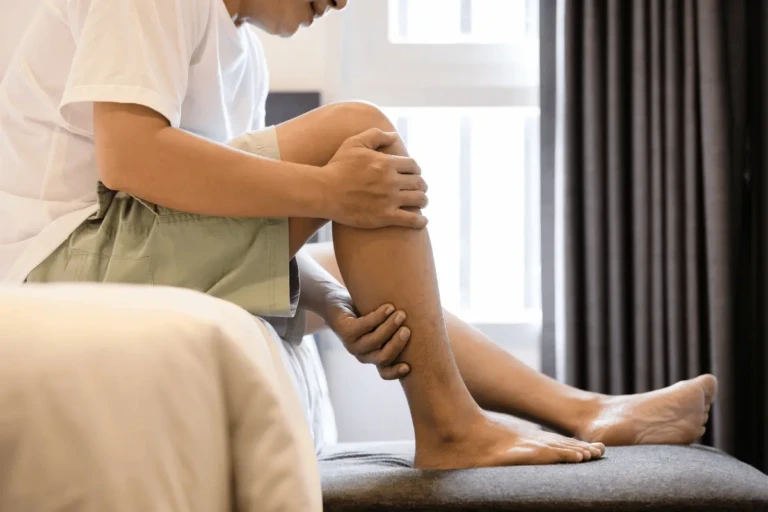
Peripheral artery disease (PAD) silently affects thousands across South Florida, particularly in Miami, where vibrant lifestyles and outdoor activities mask a dangerous circulatory threat lurking beneath the surface. The discomfort often starts subtly, a dull cramp in your calves, a tightening sensation, or unusual fatigue when you walk. You might push through it, attributing it to fitness level or aging. But ignoring these early warning signs puts you at risk of progressing to late-stage disease where outcomes become catastrophic, non-healing wounds, severe infections, tissue death, and in worst cases, amputation of limbs.
That’s why early peripheral arterial disease treatment in Miami is not optional, it’s lifesaving. Hospitals have witnessed firsthand how patients caught early go on to reclaim their mobility and independence, while those who wait face a dramatically different outcome. Modern medicine now offers minimally invasive solutions that once seemed impossible, and limb salvage specialists can often preserve function and prevent amputation through timely intervention.
The difference between a patient who walks freely and one who faces limb loss often comes down to one thing, recognizing the warning signs before it’s too late.
What Is Peripheral Artery Disease (PAD)?
PAD is a form of atherosclerosis, where plaque buildup narrows or blocks the arteries that carry blood to your legs and feet. This restricted blood flow causes pain and cramps, particularly during physical activity, when muscles need more oxygen.
And it’s more than a circulation issue. It’s a signpost pointing to broader vascular and heart-related risks. About one in five people over age 60 has PAD, yet many don’t even know it. Why? Because early symptoms are frequently dismissed as “just getting older.”
Biggest Red Flag: Pain That Stops with Rest
This telltale sign is called “intermittent claudication.” Patients describe it as aching, cramping, or tightness in the calves or thighs, relieved only by rest. The pain returns when they resume walking.
The problem is, most assume it’s arthritis, sciatica, or “just tired legs.” Unfortunately, waiting for more severe symptoms could be catastrophic.
Why PAD Is So Dangerous When Left Untreated
PAD doesn’t stay in your legs. It attacks your entire vascular system. Left untreated, the condition can lead to:
- Delayed wound healing or ulcers
- Critical limb ischemia(severe blockage that starves limbs of oxygen)
- Gangrene
- Amputation
In fact, PAD is the leading cause of non-traumatic lower limb amputation in the United States.
For individuals with diabetes, poor circulation makes the situation even more hazardous. A simple blister or cut that can’t properly heal becomes a serious, limb-threatening wound.
The Connection Between PAD and Cardiovascular Events
PAD is more than a limb disease, it’s a window into your overall cardiovascular health. According to the American Heart Association, those with PAD are at significantly higher risk of heart attacks, strokes, and even death from cardiovascular causes.
Leg pain might be the start, but it’s rarely the end.
Early Diagnosis is Game-Changing
PAD can be easily diagnosed with non-invasive tests like the Ankle-Brachial Index (ABI), which compares the blood pressure in your arm to that in your ankle. An abnormal result indicates decreased blood flow.
Multispecialty vascular teams use this and more advanced imaging such as arterial Dopplers and CT angiography to understand the full extent of your circulatory health.
Vascular Surgeons commonly hear people say, “I thought leg pain was just a part of aging.” It’s not.
And testing takes less than 30 minutes.
Modern PAD Treatment: No Longer Just Bypass Surgery
Many people delay care because they think treatment involves scary surgeries and long downtime. Fortunately, that’s no longer the standard. Today’s solutions focus on minimally invasive options performed in outpatient settings.
Multispecialty Hospitals specialize in advanced revascularization techniques that reopen arteries using small instruments threaded through tiny incisions in the skin. No stitches. No hospital stay.
Leading treatments include:
- Angioplasty: A balloon widens narrowed arteries.
- Atherectomy: Special tools shave or remove plaque buildup.
- Stent Placement: Tiny mesh tubes reinforce open arteries for long-term blood flow.
These procedures offer rapid recovery and dramatic symptom relief. Patients typically walk out of the clinic the same day and are back to normal activity in days.
What Makes PAD Risk Higher in Miami?
South Florida’s demographics show a higher prevalence of known PAD risk factors:
- Type 2 diabetes
- High blood pressure
- High cholesterol
- Smoking history
- Sedentary lifestyle
- Advanced age (65+)
Add to that the city’s vibrant pace and active population. Unfortunately, people often normalize leg discomfort or delay care thinking it’s minor. But catching PAD early is what saves lives and limbs.
When Should You Get Screened?
If you experience any of the following, it’s time to talk with your doctor:
- Leg cramps while walking that stop with rest
- Cold or numb legs or feet
- Poor hair growth or shiny skin on legs
- A sore or wound that won’t heal
- Noticeable color change in the foot or toes
Especially if you have diabetes, a history of smoking, or existing heart disease.
Don’t wait for a wound. If you have leg cramps, get screened.