
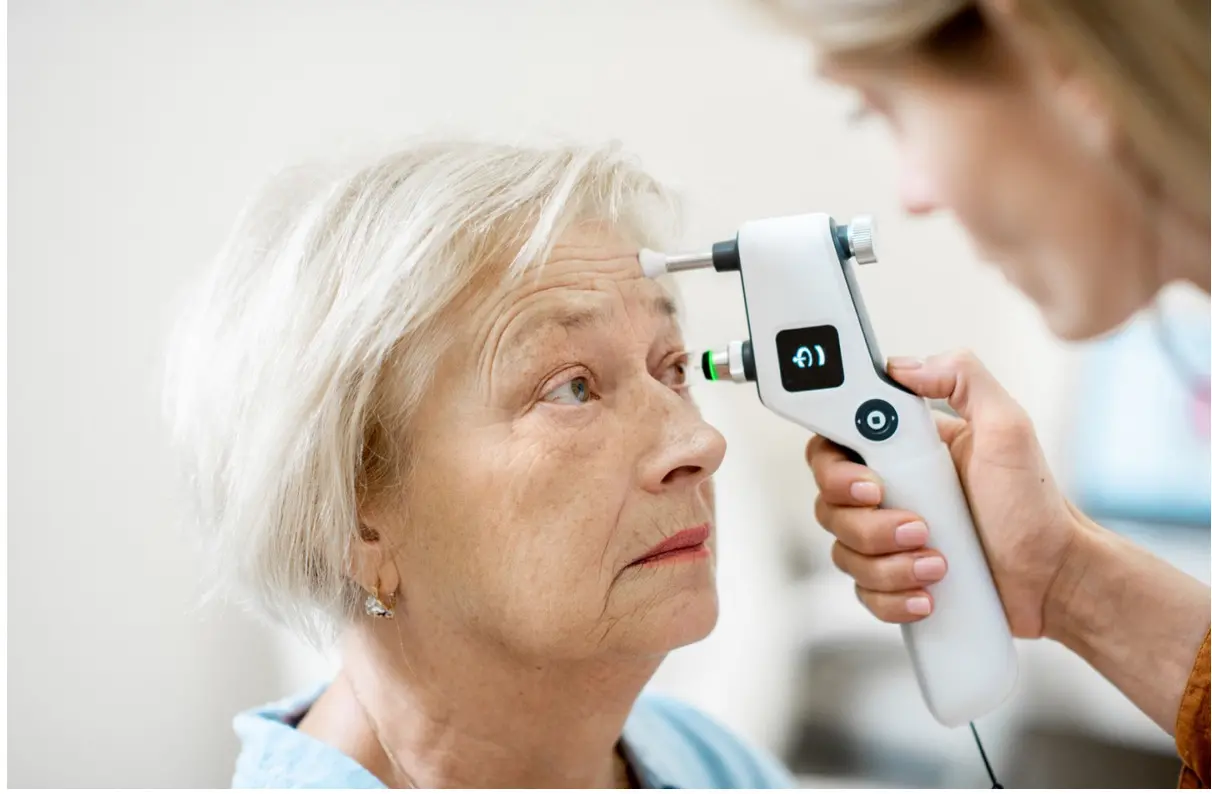
For decades, glaucoma has been managed as a disease of eye pressure. Lower the pressure, preserve the vision — or so the conventional wisdom has long held. Yet mounting clinical evidence and patient outcomes reveal a more unsettling truth: for many individuals, controlling intraocular pressure (IOP) alone is not enough to stop vision loss.
Glaucoma is now increasingly understood as a chronic, progressive neurodegenerative disease, one that damages the optic nerve through multiple interconnected pathways. This evolving understanding is driving a paradigm shift in how clinicians, researchers, and patients think about treatment — and why innovative approaches are emerging to address what traditional care leaves unresolved. This has paved the way for an innovative, non-surgical and holistic approach known as Netra Restoration Therapy, developed and offered by Netra Eye Institute.
The Limits of Pressure-Centered Care
Elevated intraocular pressure remains the most important modifiable risk factor in glaucoma, and pressure-lowering treatments are rightly considered the standard of care. Eye drops, laser procedures, and surgeries all aim to reduce mechanical stress on the optic nerve by improving aqueous fluid drainage or reducing its production.
However, a striking clinical reality persists: a substantial number of patients continue to lose vision even when their eye pressure is well controlled. Studies consistently show that approximately 30–40% of glaucoma patients experience disease progression despite achieving target IOP levels.
“If pressure control were enough, glaucoma progression would stop. For many patients, it doesn’t.”
This disconnect highlights a critical gap in traditional management — one that cannot be explained by pressure alone.
Normal-Tension Glaucoma: A Clue to a Bigger Problem
Perhaps the strongest evidence that glaucoma is more than a pressure disease comes from normal-tension glaucoma (NTG). In these patients, optic nerve damage and visual field loss occur without any history of elevated eye pressure.
NTG forces a fundamental rethinking of glaucoma’s root causes. If pressure is normal, what drives the damage?
Research increasingly points to vascular dysfunction, impaired blood flow regulation, oxidative stress, and reduced neurotrophic support as central contributors. These factors compromise the health of retinal ganglion cells — the nerve cells responsible for transmitting visual information from the eye to the brain.
Glaucoma as a Neurovascular Disease
Modern glaucoma research paints a far more complex picture of disease progression. Beyond pressure, several mechanisms contribute to optic nerve degeneration:
- Reduced ocular blood flow, leading to chronic ischemia and nutrient deprivation
- Oxidative stress and inflammation, which accelerate cellular injury
- Deficiency of neurotrophins, essential proteins that support nerve survival
- Mitochondrial dysfunction, weakening the energy supply of retinal cells
Over time, these insults result in irreversible retinal ganglion cell death and the characteristic peripheral vision loss associated with glaucoma.
“Glaucoma is not just about pressure — it is about whether the optic nerve can survive.”
Why Vision Loss Can Continue Despite “Successful” Treatment
From a patient’s perspective, one of the most frustrating aspects of glaucoma care is being told that their eye pressure is “excellent” — while visual fields continue to deteriorate.
This occurs because IOP reduction does not directly address the biological health of the optic nerve itself. Lower pressure may reduce mechanical strain, but it does not restore blood flow, reverse oxidative damage, or rebuild neuroprotective support systems already in decline.
As a result, patients may remain on escalating medication regimens or undergo invasive procedures while the underlying neurodegenerative process continues unchecked.
A New Direction: Treating the Optic Nerve, Not Just the Pressure
The emerging future of glaucoma care lies in comprehensive, multi-targeted treatment strategies. These approaches aim to complement pressure control — not replace it — by addressing the full spectrum of disease drivers.
Key therapeutic goals include:
- Enhancing ocular circulation to improve oxygen and nutrient delivery
- Supporting neuroprotection and nerve resilience
- Reducing inflammation and oxidative stress
- Promoting retinal cell function and survival
By focusing on optic nerve health and retinal regeneration pathways, next-generation treatments aim to stabilize vision, improve functional outcomes, and slow progression more effectively than pressure-only strategies.
Netra Restoration Therapy (NRT)
Our signature Netra Restoration Therapy is a unique treatment method available exclusively at Netra Eye Institute, which has shown to halt Glaucoma progression, improve visual field, reduce foggy/hazy vision, improve contrast sensitivity and reduce glare.
The Mechanism of Action (MOA) of Netra Restoration Therapy works by enhancing ocular blood flow through the regulation of vascular function, increasing neurotrophin levels and neuroprotection, and reducing ferroptosis, oxidative stress and ocular inflammation.
This creates a healthier retinal environment that supports optic nerve resilience and halts the progression of glaucomatous damage.
NRT Treatment Benefits
The potential for visual improvement depends on the severity of optic nerve damage and the stage of glaucoma at the time of treatment. Taking these factors into account, our therapeutic approach has been shown to result in:
- Stop Vision Loss Progression
Stops glaucoma vision loss progression by addressing contributing factors beyond eye pressure.
- Improved Visual Field
Improvement in visual field by restoring dormant and unhealthy retinal cells.
- MImproved Visual Acuity
An improvement of at least one line on the distance and near vision eye chart.
- Improved Contrast Sensitivity
Improved contrast vision, making it easier to distinguish shapes, edges, and details.
- Increased Visual Brightness
Improvement in color, brightness perception and clarity making it easier to see in low-light or nighttime conditions, thereby supporting safer mobility and daily activities.
- Reduced Glare and Light Sensitivity
Reduced glare, less light sensitivity, and improved comfort in bright environments, such as sunlight, headlights, or digital screens.
- Reduced Eye Strain/Pain
Patients experience considerable reduction in eye pain and eye strains.
Netra Eye Institute
5001 Hadley Rd, Ste 210,
South Plainfield, NJ 07080
TEL: (732) 503 9999
FAX: (732) 333 6473