
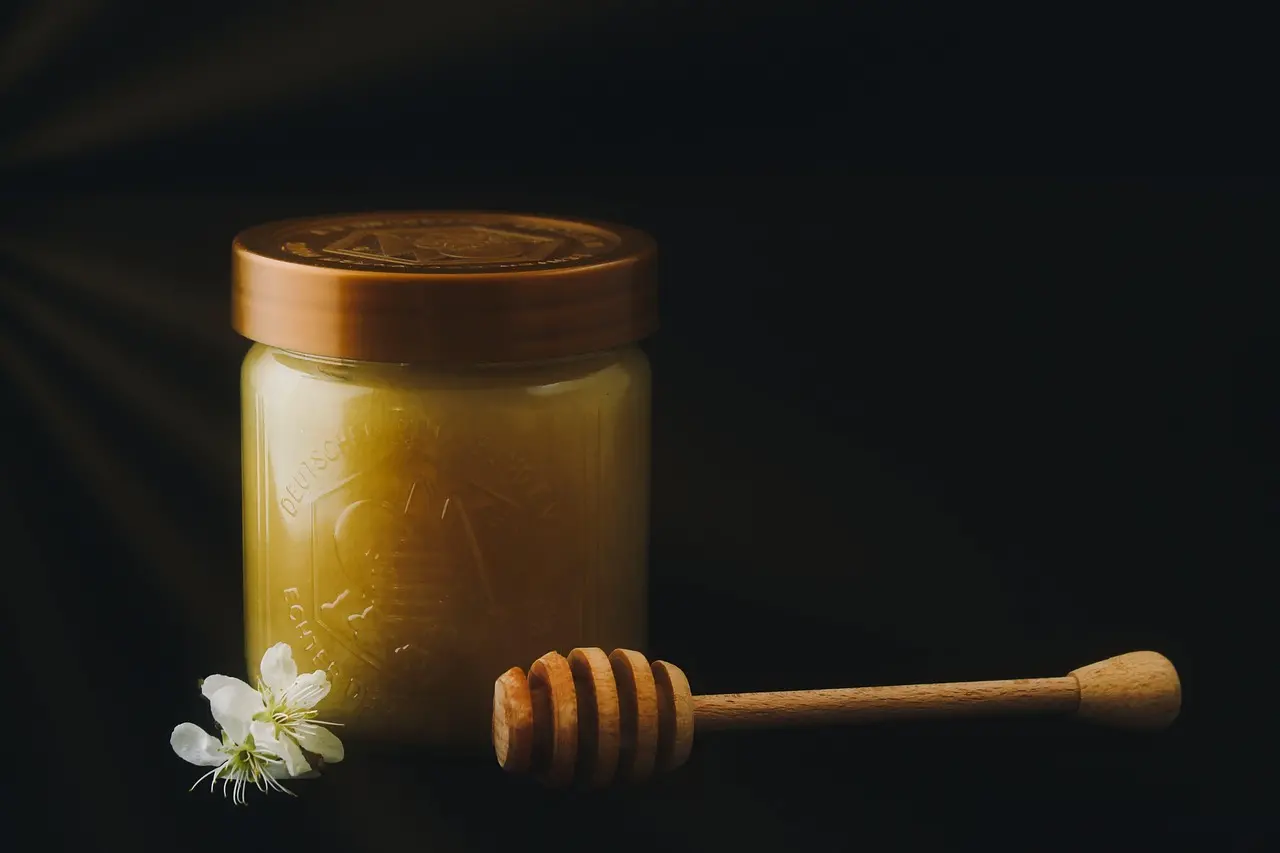
Manuka honey Benefits: Why This Rare Honey Stands Out
Manuka honey is not your average sweetener. Sourced primarily from New Zealand, this distinctive honey has gained worldwide attention for its powerful health properties. But what makes it so special—and is it worth the premium price? Let’s explore the science-backed benefits and what sets Manuka honey apart.
What Is Manuka Honey?
Manuka honey is produced by bees that pollinate the Manuka bush (Leptospermum scoparium), a plant native to New Zealand and parts of Australia. Unlike regular honey, Manuka contains high levels of methylglyoxal (MGO), the compound largely responsible for its strong antibacterial activity.
Its potency is measured using the Unique Manuka Factor (UMF) grading system, which indicates purity and strength.
1. Powerful Antibacterial Properties
One of the most well-known benefits of Manuka honey is its antibacterial effect.
While all honey has some antimicrobial properties due to hydrogen peroxide, Manuka honey goes further. Its high MGO content makes it effective against a wide range of bacteria, including strains that are resistant to certain antibiotics. This is why medical-grade Manuka honey is sometimes used in hospitals for wound care.
Benefit: Helps fight harmful bacteria and supports infection control.
2. Wound Healing and Skin Care
Manuka honey has been used topically to promote healing of:
- Cuts and scrapes
- Burns
- Diabetic ulcers
- Surgical wounds
It works by:
- Creating a protective barrier
- Maintaining a moist wound environment
- Reducing inflammation
- Supporting tissue regeneration
It’s also popular in skincare products for acne and irritated skin due to its soothing and antibacterial properties.
3. Supports Digestive Health
Some research suggests Manuka honey may help balance gut bacteria and soothe digestive issues such as:
- Acid reflux
- Gastritis
- Irritable bowel symptoms
Its antibacterial action may help target harmful bacteria like H. pylori, which is linked to stomach ulcers.
Tip: A small spoonful on an empty stomach is a common traditional approach.
4. Soothes Sore Throats and Coughs
Like other types of honey, Manuka honey can:
- Coat the throat
- Reduce irritation
- Calm coughs
Because of its stronger antimicrobial activity, some people prefer it over regular honey during cold and flu season.
A spoonful in warm (not boiling) water or herbal tea can be particularly soothing.
5. Anti-Inflammatory Effects
Chronic inflammation plays a role in many health conditions. Manuka honey contains antioxidants that may help reduce oxidative stress and inflammation in the body.
This contributes to:
- Improved immune support
- Faster healing
- Overall wellness support
6. Oral Health Benefits
It may seem counterintuitive since honey is sweet, but Manuka honey may actually help reduce plaque formation and gingivitis-causing bacteria when used properly.
Some studies show it may:
- Reduce harmful oral bacteria
- Improve gum health
- Lower inflammation in the mouth
(Important: It should not replace brushing and flossing.)
Understanding UMF and MGO Ratings
When buying Manuka honey, look for:
- UMF 10+ or higher for therapeutic-grade use
- MGO rating (e.g., 250+, 400+, 550+)
Higher numbers indicate stronger antibacterial activity—but also a higher price.
Are There Any Risks?
Manuka honey is generally safe for most adults, but:
- It should not be given to infants under 1 year (risk of botulism).
- People with diabetes should use caution due to its sugar content.
- Those with bee allergies should consult a healthcare provider.
Is Manuka Honey Worth It?
Compared to regular honey, Manuka honey offers enhanced antibacterial and therapeutic benefits backed by growing scientific research. While it’s more expensive, many people consider it a worthwhile investment for:
- Immune support
- Wound care
- Digestive health
- Natural skincare
Final Thoughts
Manuka honey isn’t just a sweet treat—it’s a natural remedy with impressive health-supporting properties. From wound healing to gut health, its unique composition makes it one of the most researched and respected medicinal honeys in the world.
Other health news of interest here.