
Nurses work hard. It is one of the most physically and emotionally demanding professions. Long shifts, night rotations, skipped meals, and constant movement can make staying healthy feel like an uphill battle. Yet many nurses manage to stay in great shape—both physically and mentally—despite the challenges. Here’s how they do it.
1. Turning the Job Into a Workout
Nurses rarely sit still. A typical shift involves:
- Walking several miles (often 8,000–12,000+ steps)
- Lifting and repositioning patients
- Standing for long periods
- Responding quickly to emergencies
Many nurses treat their shift like a built-in cardio session. Supportive footwear, compression socks, and proper lifting techniques help prevent injury and maintain endurance. Some even track their steps to stay motivated.
2. Smart, Simple Nutrition
Hospital cafeterias and vending machines aren’t always the healthiest options, so nurses often plan ahead.
Common strategies include:
- Meal prepping on days off
- Packing high-protein snacks (nuts, yogurt, boiled eggs)
- Drinking plenty of water throughout shifts
- Avoiding sugar crashes from energy drinks
Because shifts can be unpredictable, easy-to-eat, nutrient-dense foods are key. Many nurses follow balanced approaches like high-protein diets or Mediterranean-style eating to maintain steady energy.
3. Quick, Efficient Workouts
With 12-hour shifts, long gym sessions aren’t realistic. Nurses often rely on:
- 20–30 minute home workouts
- HIIT (High-Intensity Interval Training)
- Strength training 2–3 times per week
- Yoga or stretching routines
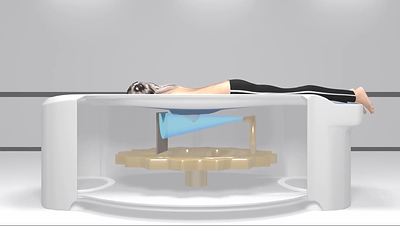
- Vibration plates
Some draw inspiration from fitness leaders like Kayla Itsines for quick, structured workouts, or follow science-based routines popularized by experts like Dr. Andrew Huberman to optimize recovery and performance.
The key isn’t duration—it’s consistency.
4. Prioritizing Sleep (Even on Night Shift)
Sleep is often the hardest part of staying in shape. Nurses working rotating or overnight shifts have to be intentional about rest.
They often:
- Use blackout curtains
- Wear blue-light–blocking glasses after shifts
- Maintain a wind-down routine
- Limit caffeine after mid-shift
Quality sleep supports metabolism, muscle recovery, and mental clarity—making it foundational to overall fitness.
5. Protecting Mental Health
Physical shape isn’t just about muscles—it’s also about resilience. Nursing can be emotionally taxing, so stress management is essential.
Popular strategies include:
- Journaling
- Meditation apps
- Therapy or peer support
- Spending time outdoors
- Connecting with supportive coworkers
Many nurses incorporate mindfulness practices inspired by figures like Jon Kabat-Zinn, who emphasizes stress reduction through awareness and breathing techniques.
6. Staying Accountable Together
Healthcare teams often motivate each other. It’s common to see:
- Unit step challenges
- Group fitness classes on days off
- Using healthy apps for great recipes
- Coworkers checking in on each other’s goals
The social aspect makes fitness more sustainable and enjoyable.
7. Focusing on Longevity, Not Perfection
Nurses understand the long-term impact of lifestyle choices better than most people. Seeing the consequences of chronic disease firsthand often reinforces their commitment to:
- Strength training for bone density
- Cardiovascular fitness
- Healthy body composition
- Preventive care
Rather than chasing aesthetic goals, many focus on strength, energy, and durability—qualities that help them both at work and at home.
Final Thoughts
Staying in shape as a nurse isn’t about having extra time—it’s about building habits that work within a demanding schedule. Through smart nutrition, efficient workouts, sleep discipline, and strong social support, nurses prove that even in one of the busiest professions, health can remain a priority.
Their approach is practical, sustainable, and grounded in the very principles of health they promote every day.