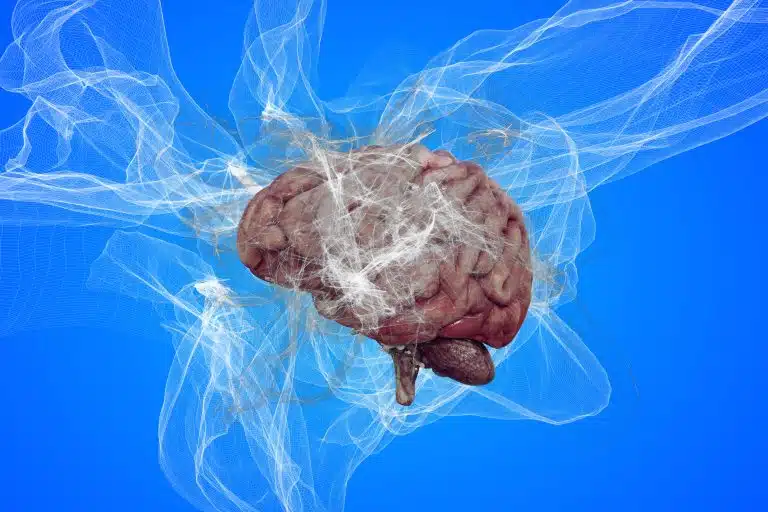
Brain resilience can be strengthened through simple daily habits, and supportive environments can help people maintain those routines as they age.
The brain continues to adapt and respond to life’s demands throughout the aging process. Brain resilience refers to the ability to maintain cognitive function and recover from challenges such as stress, illness, injury, or age-related changes. Fortunately, many habits that support resilience are simple and accessible. Small decisions made consistently over time can help preserve cognitive abilities and support overall well-being.
Understanding Brain Resilience and Its Importance
Why Resilience Matters More Than Prevention Alone
Conversations about cognitive health often focus on preventing decline, but resilience is equally important. Rather than avoiding every possible change that comes with aging, resilience involves developing the brain’s ability to adapt and continue functioning well despite those changes.
Research suggests that some individuals maintain strong cognitive abilities even when physical changes occur within the brain. This helps explain why two people with similar age-related changes may experience very different outcomes. Building resilience is not just about avoiding problems; it is about strengthening the brain’s ability to respond when challenges arise.
Daily habits play an important role, and consistent routines often have a greater long-term impact than occasional major efforts.
Sleep as the Brain’s Most Underrated Tool
Sleep is one of the most powerful contributors to cognitive function. During deep sleep, the brain performs important maintenance tasks while supporting memory, learning, and emotional regulation.
When sleep becomes consistently disrupted, people may experience difficulties with attention, concentration, mood, and memory. Over time, poor sleep habits may contribute to broader cognitive challenges.
Most adults benefit from seven to nine hours of sleep each night. Maintaining a consistent bedtime, limiting screen exposure before bed, and creating a comfortable sleep environment can improve sleep quality and support long-term brain health.
Movement, Circulation, and Cognitive Health
Regular physical activity is associated with better cognitive function across adulthood. Exercise supports healthy blood flow to the brain and encourages processes that help brain cells communicate and adapt.
Movement does not need to be intense to be beneficial. A daily walk, strength training, swimming, gardening, or yoga can all support cognitive wellness. Consistency matters more than intensity.
Activities that combine movement with coordination or learning may offer additional benefits. Dancing, pickleball, and other skill-based activities engage multiple areas of the brain simultaneously. According to WebMD, regular exercise helps improve memory, thinking skills, and overall brain function, making it one of the most effective habits for supporting long-term cognitive health.
Social Engagement and Lifelong Learning
Human connection is another key ingredient in cognitive wellness. Social interaction engages memory, communication, emotional processing, and problem-solving, helping keep neural pathways active.
Strong social connections have been linked to better health outcomes and quality of life. Meaningful interaction through family, friendships, volunteering, or community activities provides valuable mental stimulation.
Learning new skills offers similar benefits. Learning a language, taking an art class, playing a musical instrument, or exploring a new hobby can help strengthen cognitive flexibility. The brain benefits most when activities require effort, attention, and practice.
How a Supportive Environment Encourages Healthy Habits
Building healthy habits is easier when the surrounding environment supports them. Access to nutritious meals, social opportunities, wellness programs, and safe places for physical activity can contribute to a healthier lifestyle.
For older adults, the living environment often influences whether beneficial habits remain consistent. Families researching care options frequently find that Assisted Living in Whittier, CA and other communities provide structured opportunities for exercise, social connection, lifelong learning, and daily wellness. These features can help reduce obstacles that often interfere with healthy routines.
Conclusion
Brain resilience is built gradually through the accumulation of everyday habits. Quality sleep, regular movement, social engagement, and continued learning each contribute to the brain’s ability to adapt and function effectively throughout life. While no single habit can guarantee cognitive health, consistent efforts across these areas can provide meaningful support over time. It is never too late to start building habits that support long-term cognitive wellness.