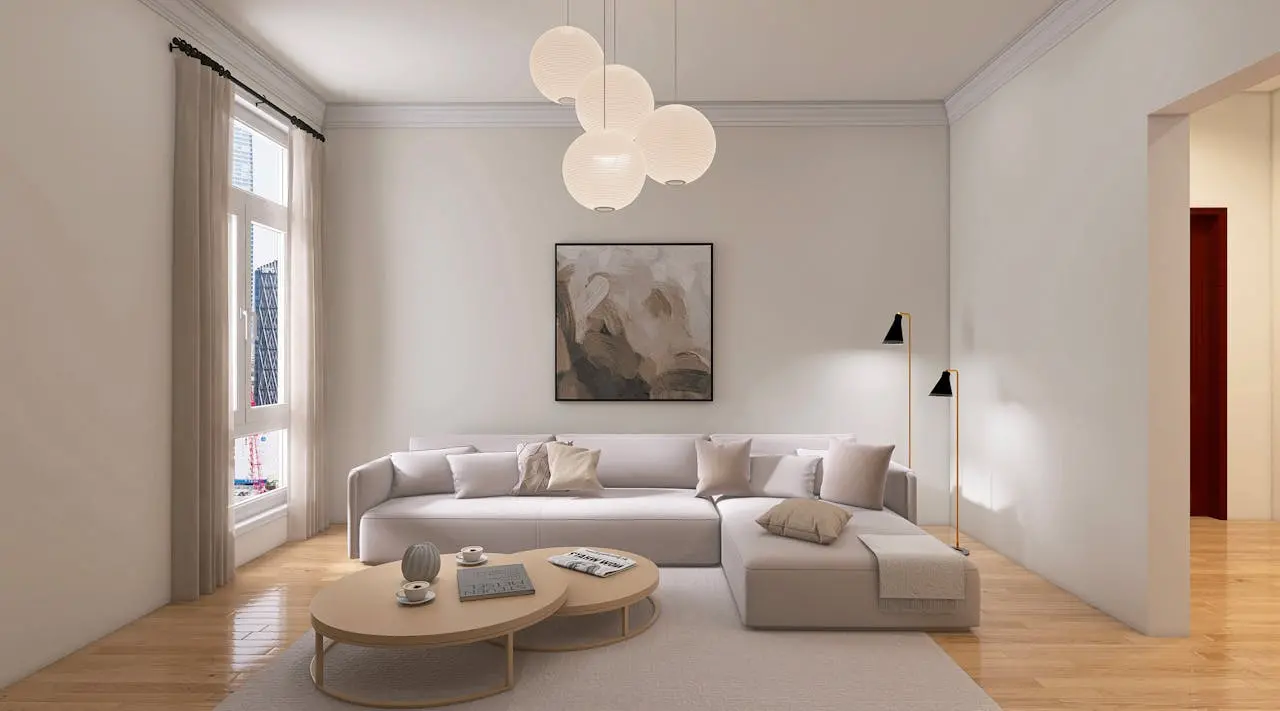
Calm home environment isn’t about perfection or expensive décor, it’s about intentionally shaping your space to support your nervous system. Your surroundings directly influence your stress levels, focus, and emotional state. By making thoughtful changes, you can transform your home into a sanctuary that promotes clarity and peace.
Here’s how to do it.
1. Declutter With Purpose
Clutter is visual noise. Even when you think you’ve “tuned it out,” your brain is still processing it.
Start small:
- Clear flat surfaces first (tables, counters, nightstands).
- Remove items that don’t serve a purpose or bring you joy.
- Create simple storage systems for essentials.
The goal isn’t minimalism — it’s reducing friction. When your space feels manageable, your mind follows.
2. Choose Calming Colors
Color has a powerful psychological effect. Soft, muted tones help regulate mood and reduce overstimulation.
Consider:
- Warm neutrals (beige, soft taupe, cream)
- Gentle greens (sage, olive)
- Muted blues (dusty blue, slate)
Avoid overly bright or high-contrast combinations in areas meant for rest. Bedrooms and living rooms benefit most from subdued palettes.
3. Optimize Natural Light
Light influences your circadian rhythm and emotional balance.
- Open curtains during the day.
- Use sheer window treatments to soften harsh sunlight.
- Position mirrors to reflect natural light deeper into the room.
- In the evening, switch to warm-toned bulbs instead of cool white lighting.
Layered lighting (floor lamps, table lamps, wall lights) creates a softer atmosphere than a single overhead fixture.
4. Incorporate Natural Elements
Humans naturally relax in environments that mirror nature — a concept often referred to as biophilic design. Indoor plants can set a special feeling.
Simple additions:
- Indoor plants
- Wooden or stone textures
- Linen or cotton fabrics
- A small indoor fountain for gentle water sounds
Even subtle natural touches can reduce stress and increase comfort.
5. Reduce Noise and Digital Overload for a Calm Home Environment
Constant notifications and background noise keep your nervous system in a semi-alert state.
Try:
- Creating tech-free zones (especially bedrooms)
- Using soft instrumental music or ambient sounds instead of TV noise
- Adding rugs and curtains to absorb echo and soften acoustics
Silence, or intentional sound, helps the mind settle.
6. Establish Functional Zones
Your brain relaxes when spaces have clear purposes.
Define areas for:
- Work
- Relaxation
- Eating
- Sleeping
Even in small apartments, subtle cues like different lighting, rugs, or furniture arrangement can signal transitions between activities. This prevents work stress from bleeding into rest time.
7. Engage the Senses
Calmness is multisensory.
- Smell: Essential oils like lavender or sandalwood.
- Touch: Soft blankets, plush rugs, smooth surfaces.
- Sight: Clean lines, symmetry, intentional décor.
- Sound: Wind chimes, quiet instrumental playlists.
- Temperature: Keep rooms slightly cool for better sleep and comfort.
When all senses feel safe and soothed, the body naturally relaxes.
8. Add Personal Meaning
A calm home isn’t sterile — it’s personal.
Display:
- Photos that evoke positive memories
- Meaningful artwork
- Objects tied to milestones or travel
Surround yourself with reminders of stability, connection, and gratitude.
9. Create a Daily Reset Ritual
Even the most peaceful space can become chaotic without maintenance.
Spend 10–15 minutes each evening:
- Putting items back in place
- Clearing surfaces
- Preparing for the next day
This small ritual preserves the calm you’ve created and prevents stress from accumulating.
Final Thought
A calm home environment doesn’t come from copying a magazine layout. It comes from reducing unnecessary stimulation and intentionally designing for comfort, clarity, and ease.
Your home should lower your shoulders the moment you walk in.
Start with one small change today — clear one surface, soften one light, remove one distraction — and build from there. Over time, those small shifts create a deeply restorative environment that supports your well-being every day.
For other articles of interest, click here.