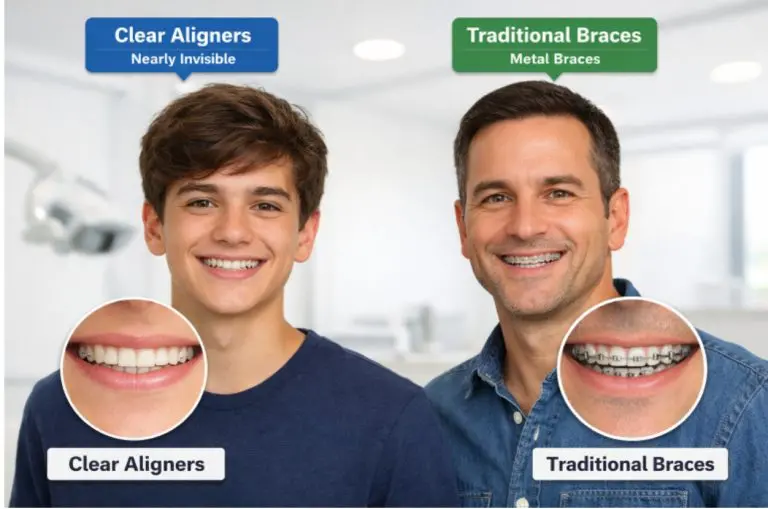
Straightening teeth has become more convenient and customizable than ever. Teens and adults today can choose between clear aligners and traditional braces, two effective orthodontic solutions that accommodate various dental needs and lifestyles. Whether your top priority is discretion, comfort, or treatment speed, understanding the pros and cons is crucial for making an informed decision. To find out what modern options are available locally, take a look at Orland Park aligners for a broad overview of clear aligner possibilities.
Making the right choice depends on your individual needs, including the complexity of your orthodontic case, your lifestyle, and your budget. Consulting with a qualified orthodontist can help clarify which treatment will be most effective and comfortable for you. Both clear aligners and traditional braces have helped millions of patients achieve healthier, more confident smiles.
Understanding Clear Aligners
Clear aligners are custom-engineered plastic trays designed to gradually guide teeth into their ideal position. These aligners are nearly invisible when worn, making them a popular choice for adults and self-conscious teens who want a more discreet orthodontic solution.
One of the standout benefits of clear aligners is their removability. Wearers can remove them when eating, drinking, brushing, and flossing, allowing a normal diet and better oral hygiene throughout treatment. Each set of aligners is created from detailed digital scans of the patient’s mouth, ensuring a precise, comfortable fit tailored to their unique dental structure.
Understanding Traditional Braces
Traditional braces use brackets and wires to apply consistent force and methodically reposition teeth. Braces can be made from stainless steel or from tooth-colored ceramic materials for a more discreet look. In some cases, tiny rubber bands may be added to assist with bite correction. Because braces are bonded to the teeth, they are a non-removable orthodontic solution, which can be an advantage for patients who need reliable, round-the-clock treatment.
Braces have evolved over the years, becoming smaller and more comfortable. Modern dental practices offer a range of bracket options for those seeking both function and finesse in their smile transformation. For an in-depth look at how braces can address complex cases, visit the American Association of Orthodontists website.
Comparing Effectiveness
Effectiveness is where the differences between clear aligners and traditional braces become most pronounced. Braces can treat severe misalignments, extreme crowding, and complex bite issues because they provide orthodontists with precise control over tooth movement. According to recent research published in the American Journal of Orthodontics and Dentofacial Orthopedics, braces often outperform clear aligners for challenging cases.
Clear aligners provide impressive results for mild to moderate malocclusions. Cases involving simple spacing, crowding, or minor bite corrections are typically well-suited for transparent aligner therapy. However, patient compliance plays a significant role in the success of clear aligners. Aligners must be worn for at least 20 to 22 hours per day for optimal results.
Aesthetic Considerations
Aesthetics are a major deciding factor, especially for adults and older teens. Clear aligners are nearly indistinguishable once in place, enabling patients to undergo orthodontic treatment discreetly in professional and social settings. Traditional braces, while more visible, come in both metal and ceramic options, with ceramic braces offering a subtler appearance. Colored elastics can also make braces more fun for younger patients who want to personalize their look.
Comfort and Maintenance
Patients often report that clear aligners are more comfortable than traditional braces because their smooth surfaces are less likely to cause irritation in the mouth. Because they are removable, aligners let patients enjoy their favorite foods and maintain thorough oral hygiene, reducing the risk of cavities and gum issues during treatment. However, discipline is required to remember to keep aligners in except when eating or cleaning teeth.
Traditional braces, though fixed and more reliable for consistent wear, sometimes cause discomfort due to poking wires or bracket abrasions. Extra care must be taken to avoid certain foods that can damage the appliance. Special cleaning techniques, such as floss threaders or orthodontic brushes, may help maintain oral health while wearing braces. For tips on braces care and comfort, explore this Healthline article.
Treatment Duration
Treatment times depend on the complexity of the case and patient adherence. Clear aligner patients generally finish treatment in 12 to 18 months. Traditional braces may require 18 to 24 months for complex corrections. Regular check-ups with the orthodontist are necessary with both options to ensure progress is on track and to make necessary adjustments or receive new aligners.
Cost Comparison
Costs for orthodontic treatment vary widely based on location, case complexity, and provider expertise. On average, both clear aligners and braces fall in a similar range, typically from $3,000 to $7,000. Dental insurance may cover part of the cost, especially for younger patients, but check with your provider for specifics. Unexpected costs may arise if additional refinements or longer treatment are necessary, so discuss options and expectations thoroughly with your orthodontist.
Making the Right Choice
The right orthodontic solution is a highly personal decision, influenced by dental complexity, comfort, maintenance needs, and aesthetic priorities. While some patients are suited for the near-invisibility and convenience of clear aligners, others require the versatility and strength of traditional braces. In every case, a consultation with a trusted orthodontic provider ensures a treatment plan tailored to your unique smile goals.