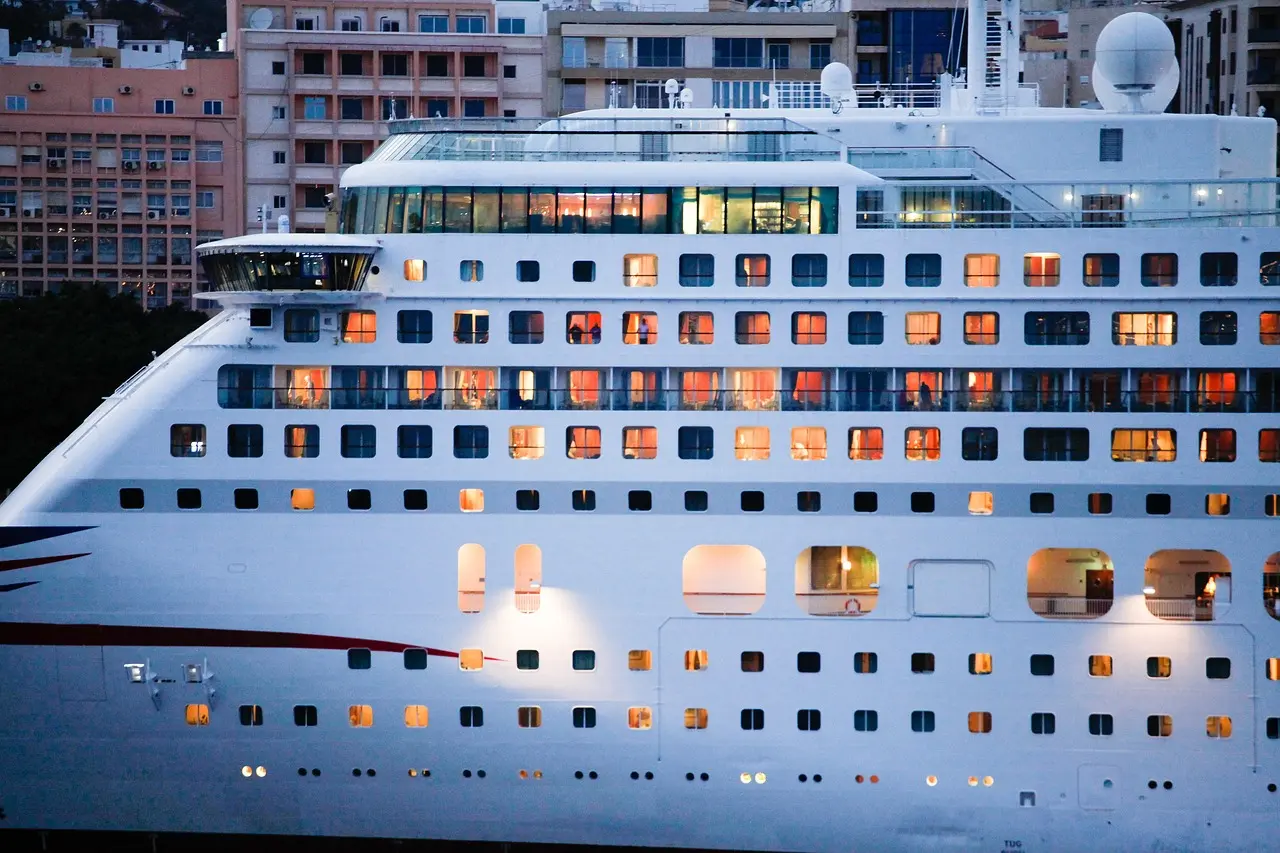
Cruise Ship – Enjoy the High Seas
A Caribbean cruise sounds simple enough—sun-drenched islands, turquoise water, and a floating resort to carry you from one paradise to the next. But once you start planning, you quickly realize the truth: not all cruise ships are created equal. The ship you choose can shape your entire vacation, from the vibe on board to the kinds of ports you visit.
Selecting the right ship isn’t about finding “the best” one. It’s about finding the ship that matches your style of travel. Here’s how to make that choice with confidence.
1. Start With the Experience You Want
Before comparing ships, get clear on the kind of vacation you’re after. Cruise lines design their ships with specific travelers in mind.
If you want…
- Family fun: Look at ships with water parks, kids’ clubs, character meet‑and‑greets, and large entertainment venues.
- A quiet, relaxing escape: Smaller or mid‑size ships with fewer crowds and more intimate lounges are ideal.
- Luxury and pampering: Consider ships with suite-only areas, butler service, and fine dining.
- Adventure and activity: Some ships offer rock walls, surf simulators, zip lines, and robust shore excursion programs.
- Nightlife and energy: Choose ships known for themed bars, late-night entertainment, and lively pool decks.
Once you know your vibe, the rest becomes much easier.
2. Consider Ship Size and Layout
Caribbean itineraries are offered on everything from intimate 600‑passenger vessels to floating cities carrying over 6,000 guests.
Large ships
- Pros: Endless activities, big shows, multiple dining options
- Cons: More crowds, longer embarkation lines, ports may feel busier
Small and mid‑size ships
- Pros: More personal service, quieter spaces, access to smaller ports
- Cons: Fewer entertainment options, less variety in dining
If you love choice and energy, go big. If you want calm and connection, go smaller.
3. Look Closely at the Itinerary
A Caribbean cruise can mean very different things depending on the route.
Eastern Caribbean
- Known for: Beautiful beaches, shopping, calm seas
- Common ports: St. Thomas, St. Maarten, Puerto Rico
Western Caribbean
- Known for: Adventure, Mayan ruins, snorkeling
- Common ports: Cozumel, Grand Cayman, Jamaica
Southern Caribbean
- Known for: More exotic islands, longer itineraries
- Common ports: Aruba, Curaçao, Barbados
Some ships are built for sea days with tons of onboard activities. Others shine when the itinerary is port‑intensive. Match the ship’s strengths to the route.
4. Compare Stateroom Options
Your cabin is your home base, and the right one can make a big difference.
Interior cabins
- Best for: Budget travelers, people who spend little time in the room
Oceanview and balcony cabins
- Best for: Scenic cruising, private relaxation, natural light
Suites
- Best for: Extra space, premium perks, priority services
If you’re cruising the Caribbean, a balcony can be especially rewarding—sunrise coffee, sail‑away views, and warm breezes are part of the magic.
5. Evaluate Dining and Entertainment
Modern cruise ships are culinary playgrounds. Some offer celebrity-chef restaurants, while others focus on casual dining and themed venues.
Ask yourself:
- Do you prefer included dining or specialty restaurants?
- Are Broadway-style shows important to you?
- Do you want comedy clubs, live music, or quiet lounges?
The ship’s entertainment lineup often defines its personality.
6. Check the Ship’s Age and Recent Renovations
A ship doesn’t need to be brand new to be great—but it should be well maintained.
Look for:
- The ship’s launch year
- Dates of major refurbishments
- Upgraded cabins or new dining venues
A refreshed ship often feels modern without the price tag of a brand‑new vessel.
7. Factor in Budget and Value
Cruise pricing varies widely depending on:
- Time of year
- Cabin type
- Ship size and age
- Included amenities
Sometimes a slightly older ship offers incredible value while still delivering a fantastic Caribbean experience.
8. Read Recent Reviews—But With Perspective
Reviews can be helpful, but remember:
- People tend to review when they’re extremely happy or extremely unhappy
- One person’s “too crowded” is another person’s “fun and lively”
- Focus on patterns, not one-off complaints
Look for feedback on service, cleanliness, food quality, and entertainment.
Final Thoughts
Choosing the right cruise ship for the Caribbean is about aligning the ship’s personality with your own. When you match your expectations to the ship’s strengths, you set yourself up for a vacation that feels effortless, joyful, and unforgettable.
Read other articles of interest here.