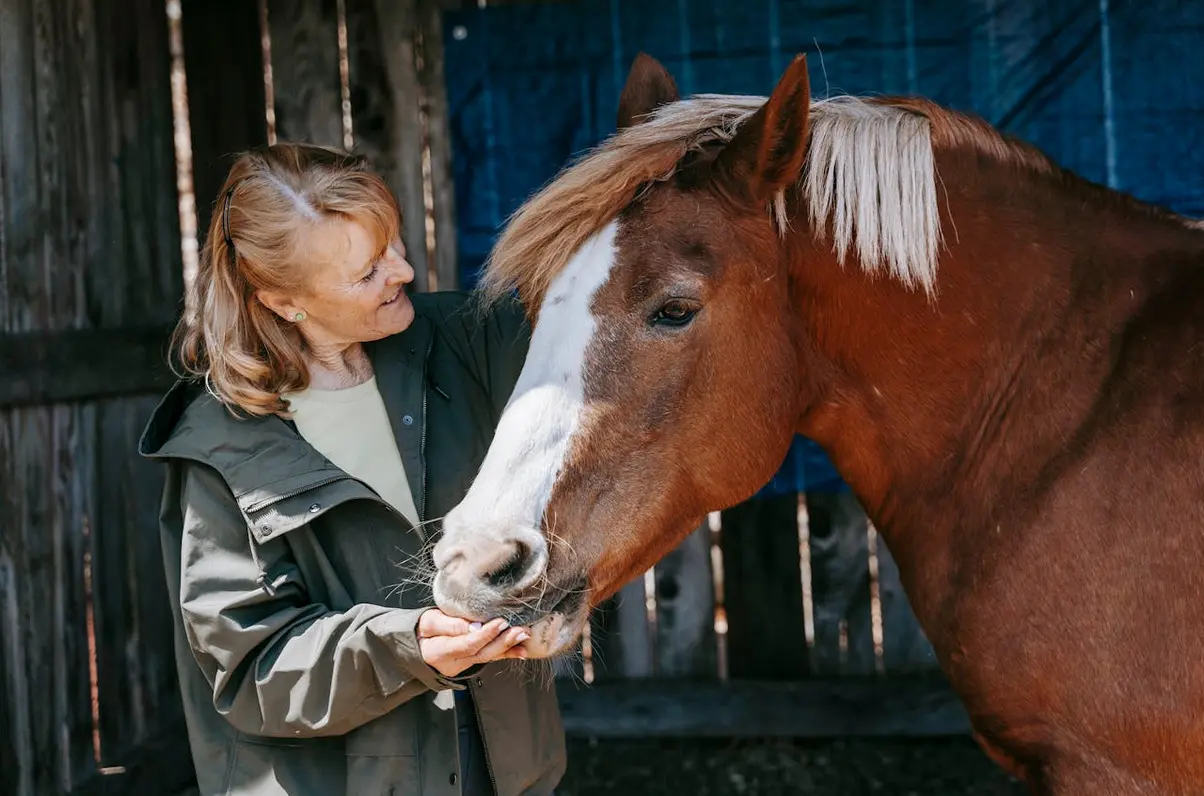
Equine therapy has moved steadily from the margins of complementary care into a respected, evidence-informed approach used in behavioral health, trauma recovery, and substance use treatment. As interest grows, a practical question often comes up early for families, clinicians, and program directors alike: Does equine therapy require specialized medical equipment?
The short answer is no in the traditional sense. Effective equine therapy does not depend on hospital-grade machines or complex medical devices. Instead, it relies on trained professionals, carefully selected horses, and thoughtfully designed environments that support safety, regulation, and therapeutic engagement. When done well, effective therapy using horses is less about equipment and more about relationship, presence, and structure.
In this article, Medical Device News Magazine explores what equine therapy actually requires, how it differs from medical or physical rehabilitation settings, and why its simplicity is part of what makes it powerful. Along the way, it addresses common questions readers may have and clarifies how programs such as those aligned with Ingrained Recovery in Georgia integrate equine therapy responsibly within behavioral health care.
Understanding Equine Therapy in a Behavioral Health Context
Equine therapy, sometimes referred to as equine-assisted therapy or equine-assisted services, involves structured interactions between clients and horses under the guidance of licensed mental health professionals and equine specialists. The goal is not horseback riding as recreation, nor is it veterinary or medical treatment. The focus is emotional awareness, nervous system regulation, interpersonal skills, and insight that emerges through working with a sensitive, responsive animal.
In behavioral health settings, equine therapy is commonly used to support people dealing with trauma, anxiety, depression, addiction recovery, and co-occurring disorders. Horses, as prey animals, are highly attuned to human body language, emotional states, and intention. This responsiveness creates real-time feedback that can be therapeutically meaningful without verbal processing alone.
Because of this relational focus, equine therapy does not require MRI machines, infusion equipment, or diagnostic tools. The “technology” at the center of the work is the horse-human interaction itself.
What People Mean by “Specialized Medical Equipment”
When people ask whether equine therapy requires specialized medical equipment, they are often imagining one of two things. Some picture a clinical setting similar to physical therapy or occupational therapy, complete with adaptive machinery and monitoring devices. Others worry that equine therapy might require complex or expensive tools that make it inaccessible or risky.
In reality, equine therapy occupies a different category. It is experiential and relational rather than procedural. While safety standards are essential, the equipment involved is generally practical and supportive rather than medical in nature. Understanding this distinction helps clarify why effective therapy using horses is accessible across a range of treatment environments.
The Role of Safety and Supportive Gear
Although equine therapy does not rely on medical equipment, it does involve appropriate safety gear and adaptive tools when needed. Helmets may be used in mounted activities, particularly when clients are new to horses or have balance concerns. Sturdy footwear, gloves, and weather-appropriate clothing are part of creating a safe environment.
Some programs use mounting blocks, lead ropes, or adaptive saddles to support clients with physical limitations. These tools are not medical devices; they are equine-specific supports designed to ensure comfort and reduce risk. Their use is guided by professional judgment rather than medical necessity.
In unmounted sessions, which are common in behavioral health settings, clients may work with horses from the ground. This can include grooming, leading, observing, or engaging in structured activities that reflect therapeutic goals. In these cases, the “equipment” is minimal and often consists of everyday barn tools.
Why Equine Therapy Is Not Equipment-Driven
One of the defining features of equine therapy is that change occurs through experience rather than intervention. Horses respond honestly to human behavior, offering immediate feedback without judgment. This creates opportunities for clients to notice patterns, practice boundaries, and regulate emotions in ways that feel tangible and embodied.
Because the process is experiential, adding layers of medical equipment would not enhance the therapeutic effect. In fact, too much equipment could interfere with the simplicity and presence that make the work effective. The absence of complex machinery allows clients to remain grounded in the moment and connected to the horse.
Holistic programs, such as Ingrained Recovery in Georgia, often emphasize this principle. Equine therapy is integrated as a complement to clinical treatment, not as a medical procedure. The horse becomes a co-regulator and mirror, not a tool requiring technological enhancement.
The Importance of Professional Expertise Over Equipment
If equine therapy does not depend on specialized medical equipment, what does it depend on? The answer lies in training, ethics, and collaboration. Licensed mental health professionals bring clinical expertise, while equine specialists ensure horse welfare and safe handling. Together, they create sessions that are intentional and responsive.
This professional oversight is far more important than any piece of equipment. Therapists assess readiness, adapt activities to client needs, and integrate insights from equine sessions into broader treatment plans. Horses are carefully selected and trained to work calmly with a range of individuals, including those experiencing emotional distress.
Without this expertise, even the best equipment would be meaningless. Effective therapy using horses is rooted in skillful facilitation rather than technological support.
Accessibility and Inclusivity in Equine Therapy
Another reason equine therapy does not rely on specialized medical equipment is accessibility. Many clients who benefit from equine therapy may feel overwhelmed by clinical environments filled with machines and monitors. A barn or pasture offers a different sensory experience, one that can feel less threatening and more inviting.
For individuals in recovery, particularly those healing from trauma, this shift in environment can be profoundly regulating. The natural setting, combined with the steady presence of a horse, supports nervous system calming without the need for external devices.
That said, ethical programs remain attentive to physical accessibility. Adaptive tack, ramps, or alternative activities may be used to ensure participation without compromising safety. These adaptations are practical solutions, not medical interventions.
Common Questions About Equipment and Risk
People new to equine therapy often ask whether the lack of medical equipment makes it unsafe. This concern is understandable, especially when working with large animals. Safety in equine therapy comes from preparation, boundaries, and ongoing assessment rather than machines.
Horses used in therapy are selected for temperament and trained to tolerate a range of human behaviors. Sessions are structured, with clear guidelines and constant supervision. Clients are not asked to do anything beyond their capacity, and activities can be modified or paused as needed.
In this way, risk is managed through human expertise and horse welfare standards rather than medical monitoring. The result is an environment that is both safe and responsive.
How Equine Therapy Fits Within Comprehensive Treatment
Equine therapy is rarely a standalone service. In behavioral health settings, it is typically integrated into a broader continuum of care that may include individual therapy, group work, mental health treatment, and psychiatric support. In those areas, medical equipment and clinical tools may play a role.
The equine component complements these services by offering a different mode of engagement. Insights gained with the horse can be processed later in a traditional therapy room. Emotional regulation practiced in the past can translate into coping skills used elsewhere.
Programs associated with Ingrained Recovery in Georgia illustrate how equine therapy can coexist with evidence-based treatment without requiring its own suite of medical equipment. The value lies in integration, not duplication.
Looking Ahead: Simplicity as Strength
As behavioral health continues to integrate holistic and experiential approaches, equine therapy stands out for its grounded simplicity. Its effectiveness does not hinge on technological advancement but on relationship, presence, and skilled facilitation.
The absence of specialized medical equipment is not a limitation. It is a reminder that healing often occurs through connection rather than complexity. For those exploring equine therapy, this understanding can be both reassuring and empowering.