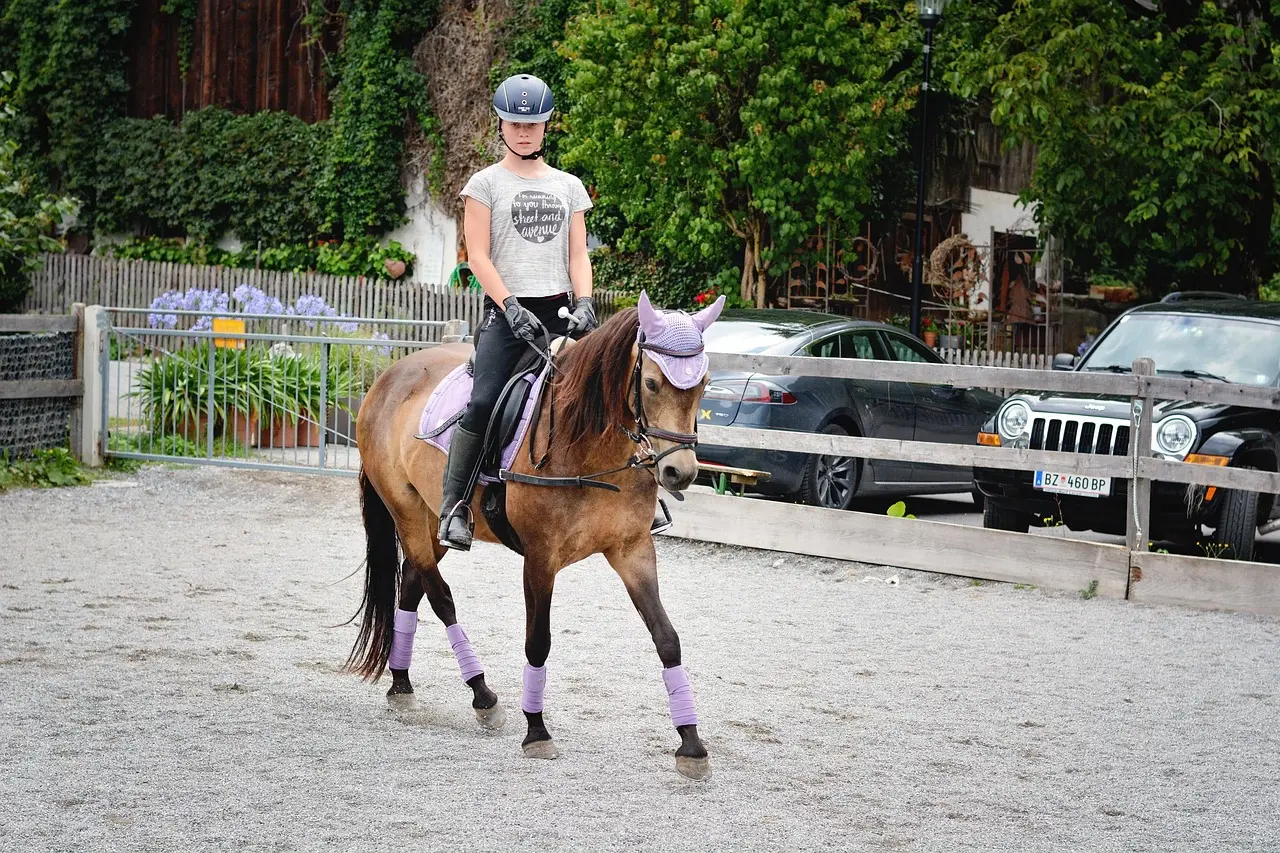
Horseback Riding | A Fun Sport
Horseback riding is more than just a sport. It’s a partnership between human and horse built on trust, balance, and communication. Whether you’re interested in riding for recreation, competition, or simply enjoying time outdoors, learning the fundamentals will set you up for a safe and rewarding experience.
Understanding the Horse
Before you ever get in the saddle, it’s important to understand the animal beneath you. Horses are powerful, sensitive creatures that respond to body language, tone, and subtle cues. Building confidence around a horse starts with:
- Approaching calmly from the front or side
- Speaking softly
- Avoiding sudden movements
- Learning basic grooming and handling skills
Spending time on the ground helps you develop trust — and trust is the foundation of good riding.
Essential Riding Gear
Safety and comfort matter for both rider and horse. Basic horseback riding equipment includes:
- Helmet – Always wear a certified riding helmet.
- Riding boots – Closed-toe boots with a small heel prevent your foot from slipping through the stirrup.
- Comfortable pants – Riding breeches or fitted pants reduce chafing.
- Saddle and bridle – These provide structure and communication between horse and rider.
Never skip safety gear, even for a short ride.
Mounting the Horse
Mounting properly protects both you and the horse’s back:
- Stand on the horse’s left side.
- Hold the reins and a bit of the mane.
- Place your left foot in the stirrup.
- Gently swing your right leg over the saddle.
- Sit softly and adjust your feet in both stirrups.
Take your time — balance and calmness are key.
Basic Riding Position
Good posture keeps you secure and helps your horse move freely.
- Sit upright but relaxed.
- Keep shoulders back and eyes forward.
- Heels down, toes slightly up.
- Hands steady and low, holding the reins gently.
Your body should form a straight line from ear to shoulder to hip to heel.
Learning the Gaits
Horses move in different speeds, called gaits:
- Walk – Slow, four-beat rhythm; great for beginners.
- Trot – Faster, bouncy two-beat gait.
- Canter – Smooth, three-beat gait that feels like a rocking motion.
Most beginners start at the walk, then progress to the trot as balance improves.
Steering and Stopping
Riding isn’t about pulling the reins — it’s about coordination.
- To move forward: Gently squeeze with your legs.
- To steer: Lightly guide with the reins while looking where you want to go.
- To stop: Sit deeper in the saddle and gently pull back on the reins while relaxing your legs.
Clear, gentle signals work best. Horses respond better to subtlety than force.
Safety Tips for Beginners
- Always ride under supervision when learning.
- Stay calm — horses sense tension.
- Never walk directly behind a horse.
- Check tack before riding.
- Listen to your instructor.
Confidence grows with practice, patience, and consistency.
Choosing a Riding Style
There are different riding disciplines you may explore as you advance:
- English riding – Focuses on jumping and dressage.
- Western riding – Common in ranch work and rodeo events.
- Trail riding – Leisure riding through natural settings.
Each style has its own techniques and equipment, but the basics remain the same.
Final Thoughts
Horseback riding is a journey — one that teaches balance, patience, discipline, and connection. In the beginning, focus on mastering posture, understanding your horse, and riding safely. With time and practice, you’ll develop confidence in the saddle and enjoy one of the most timeless and rewarding activities in the world.
The most important lesson? Ride with respect, stay patient, and enjoy the experience. 🐎
Other articles of interest can be found here.