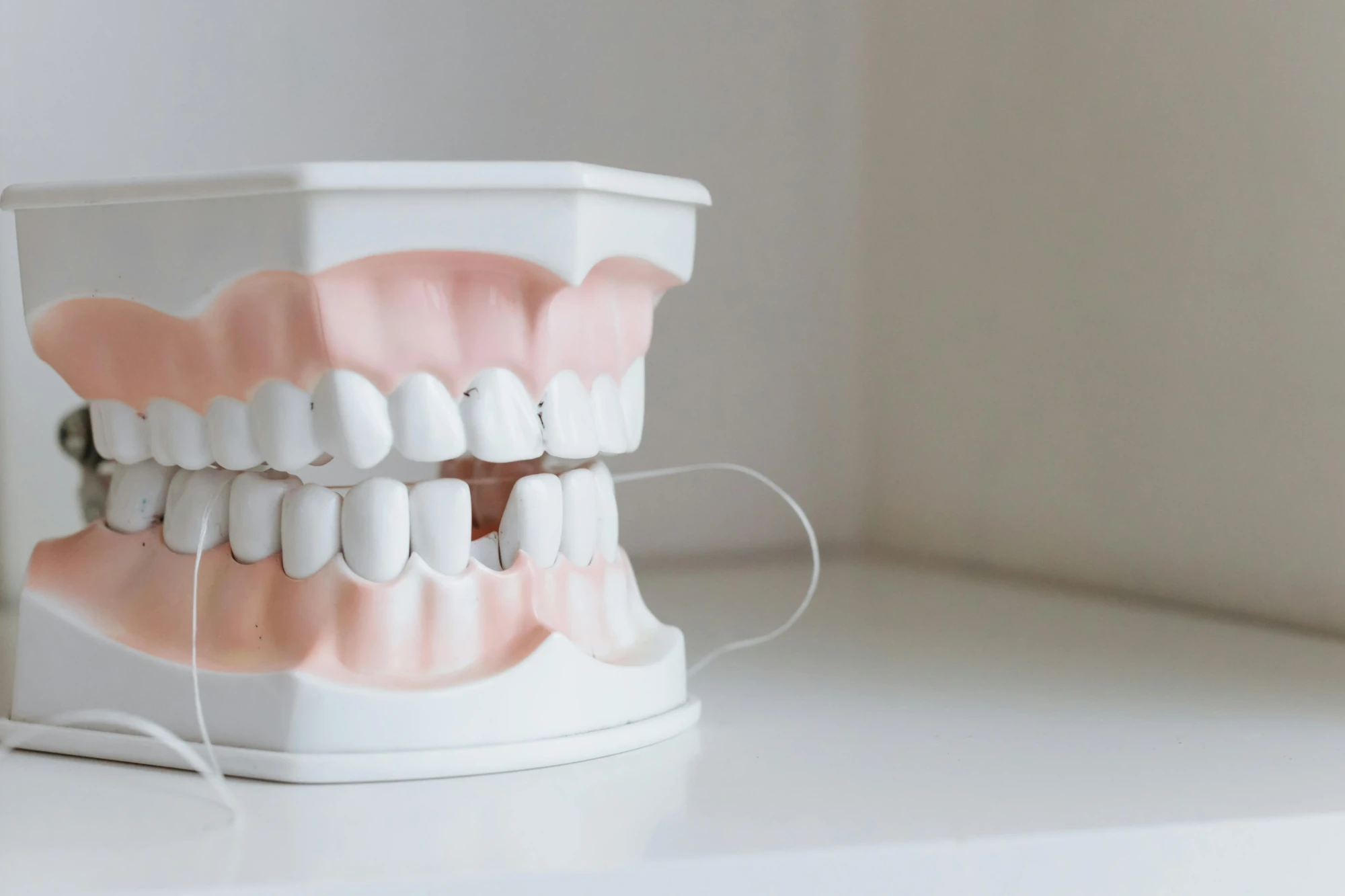
Many people live with alignment issues for years without realizing the impact on their overall comfort and dental health. Misaligned teeth can influence how well a person eats, speaks, and maintains daily oral hygiene. Over time, these issues can lead to discomfort, functional difficulties, and long-term oral health concerns.
When people begin looking for professional guidance, they often search locally for trusted care, such as finding a highly qualified orthodontic specialist nearby. Understanding how misaligned teeth affect everyday life helps individuals make informed decisions about their oral health before small problems become larger ones.
The Link Between Teeth Alignment and Overall Oral Health
Proper tooth alignment plays a key role in maintaining oral health. When teeth fit together correctly, they allow for even pressure during chewing and make daily cleaning more effective.
Misaligned teeth can create tight spaces that are difficult to clean, which increases the risk of plaque buildup. Over time, this can lead people to seek professional advice. Many are able to connect with local professionals by looking up the best orthodontist near me online. Beyond hygiene, alignment also affects how the upper and lower teeth come together during everyday movements. Addressing alignment concerns early supports better oral hygiene habits and reduces the chances of developing more serious dental problems later in life.
Increased Risk of Tooth Decay and Gum Disease
Crowded or overlapping teeth make brushing and flossing less effective. When toothbrush bristles cannot reach certain areas, plaque and food debris remain trapped. This environment allows bacteria to grow, which raises the risk of cavities and gum inflammation. Misalignment can also cause uneven pressure on the gums, leading to irritation or recession over time.
As gum health declines, teeth lose the stable support they need to remain strong. Regular dental care helps, but proper alignment makes daily cleaning easier and more consistent, which supports oral health in the long term.
Jaw Strain and Chronic Discomfort
Misaligned teeth often force the jaw to work harder during everyday activities such as chewing or speaking. When the bite is misaligned, certain muscles must compensate, leading to strain and soreness. This discomfort may appear as jaw stiffness, tenderness near the ears, or pain when opening and closing the mouth.
Over time, constant muscle tension can interfere with daily comfort and quality of life. Some individuals may also experience clicking or popping sounds in the jaw.
Impact on Chewing and Digestion
Efficient chewing depends on how well the teeth meet. Misaligned teeth can prevent food from breaking down properly before it is swallowed. When chewing becomes less effective, larger food particles reach the stomach, making digestion more difficult. This issue may lead to discomfort, such as bloating or indigestion, over time.
Uneven chewing can also place additional stress on certain teeth, increasing wear and sensitivity. Proper alignment supports balanced chewing and allows the digestive system to work more effectively.
Speech Difficulties and Functional Challenges
Teeth alignment plays an important role in clear speech. When teeth sit too far apart, overlap, or meet incorrectly, they can affect how sounds form. Certain consonants require precise tongue placement against the teeth, and misalignment can interfere with this process. People may notice slight lisping or difficulty pronouncing specific words. These issues can affect confidence during conversations, especially in professional or social settings.
Misaligned teeth may also cause the tongue to press against areas that feel uncomfortable, leading to fatigue during prolonged speaking.
Headaches and Facial Pain Linked to Bite Issues
A misaligned bite can create uneven pressure across the jaw and facial muscles. When these muscles work harder to compensate, tension can build throughout the face and head. This tension often leads to recurring headaches that do not seem connected to dental problems at first.
Some people also experience soreness around the temples, cheeks, or behind the eyes. These symptoms may worsen during periods of stress or after long days of talking or chewing. Understanding the link between bite alignment and facial pain helps individuals identify potential causes of ongoing discomfort that standard treatments may not fully address.
Long-Term Effects on Tooth Wear and Enamel
Misaligned teeth often experience uneven contact during chewing. This uneven pressure can wear down enamel on certain teeth faster than others. As enamel thins, teeth become more sensitive to temperature changes and pressure. Increased wear can also raise the risk of chips or cracks over time.
In severe cases, uneven tooth wear may further alter the bite, creating a cycle of discomfort and damage. Protecting enamel requires balanced contact between teeth, which proper alignment supports. Early attention to alignment concerns helps preserve tooth structure and reduces the need for more complex dental treatments later.
Misaligned teeth can affect oral health and daily comfort in several ways. From speech challenges to headaches and uneven tooth wear, alignment plays a key role in how the mouth functions each day. Understanding these effects encourages early awareness and better care decisions.