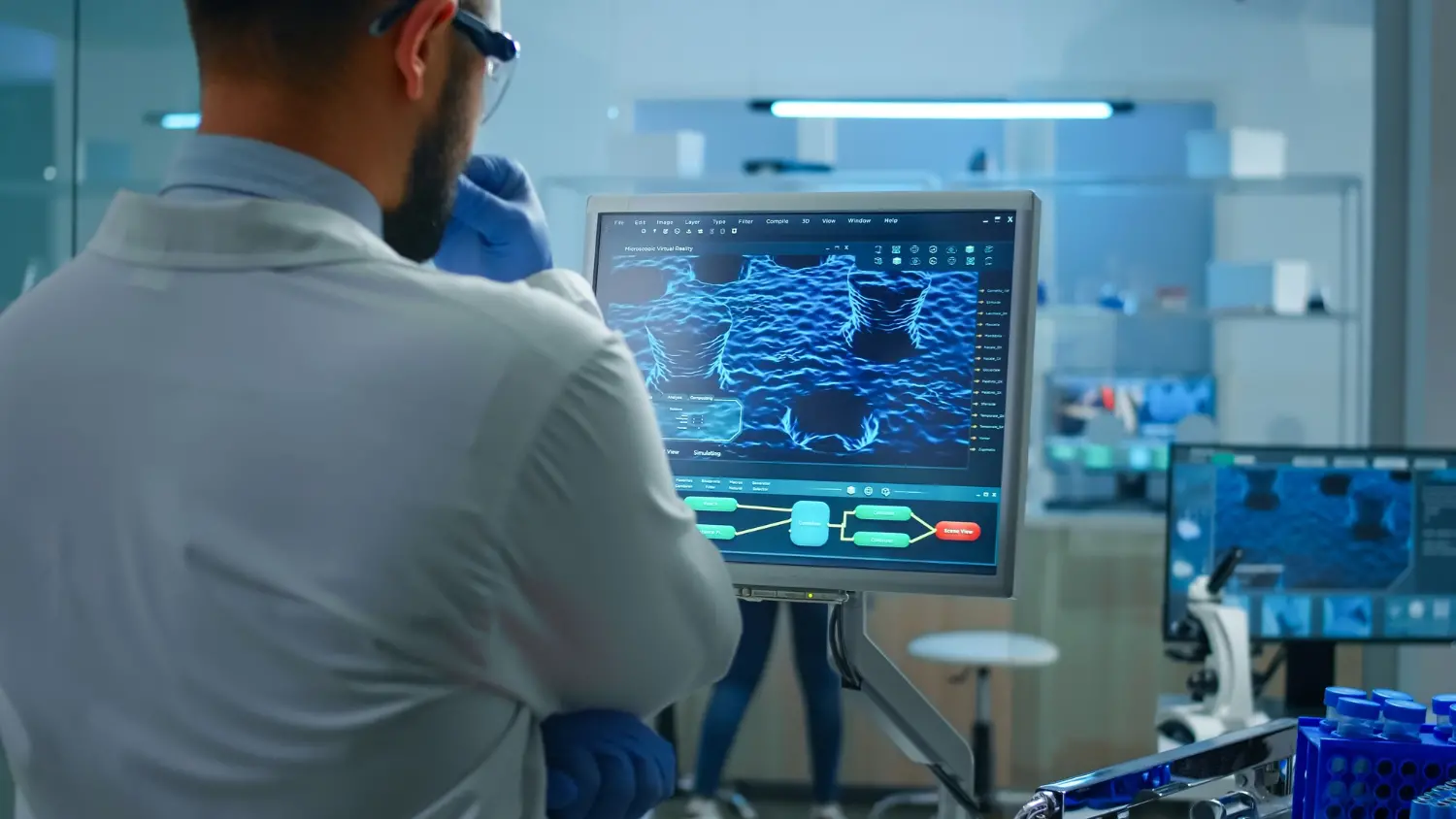
The biggest challenge in the treatment of diseases caused by asbestos, particularly mesothelioma, is to diagnose it early. This aggressive cancer can develop undetected for decades with visible symptoms showing up only when the treatment becomes a distant possibility.
For a long time, regular X-rays and routine medical checks have been the standard diagnostic tools for identifying these malignancies, but things are changing now with the world of medical diagnostics undergoing a revolution. Now, you can find molecular and computer-assisted solutions that deliver better outcomes. Let’s talk about a couple of new technologies making early detection a real possibility.
Artificial Intelligence and Advanced Imaging Analysis
For so many people, one of the most obvious ways to identify lung anomalies is through a CT scan. While it’s still in use, it may not always be reliable. The thing is, standard CT scans help only when examined by experienced radiologists, but even then, they can make a mistake since they have to review tens of thousands of grayscale images. In this situation, it’s easy to miss tiny nodules and thickening of the lung pleura. AI has changed it all together with machine learning tools.
New tools based on artificial intelligence represent a “second pair of eyes” reviewing radiologic scans for minute details that may escape a radiologist’s observation. The best part is that these AI models are trained on large databases of verified mesothelioma cases, so they can identify precise tissue density and volume patterns consistent with Stage-I disease.
This is a major breakthrough for people living in high-risk areas who often need frequent follow-ups with a physician. For regions with a high senior and former worker population, these technological diagnostic tools are extremely useful. For instance, identifying those warning signs correctly is the first step toward accessing a specialized Florida mesothelioma treatment plan. These tools serve multiple purposes as well. For instance:
- They direct ailing individuals toward life-extended treatment options
- They offer the medical evidence required for filing a lawsuit
It’s important to note that the cost of cutting-edge care needed to treat mesothelioma is substantial, which is why early imaging reports are crucial for starting a legal process. This also helps lawyers win financial compensation for families who find it difficult to afford comprehensive medical resources.
Molecular Genetic Testing and DNA Analysis
Experts are of the view that certain genetic mutations increase a person’s chances of developing cancer and asbestos-related diseases. The most common one is the BAPI gene mutation. People with this inherited genetic mutation have a tendency to develop mesothelioma and cancer even with slight exposure to asbestos. Newer diagnostic technologies now help perform molecular genetic analysis to identify that genetic mutation from a blood/saliva sample.
The technology is truly helpful for “cascade testing” within families. When a family member is affected by mesothelioma, this technology can help confirm if any particular gene mutation was indeed involved in the situation. If that’s the case, the rest of the family members can also be tested for the same mutation, making it possible to develop a better screening plan.
The presence of the BAPI mutation means the person requires active surveillance, which ensures any changes are caught early when the condition is still microscopic and most responsive to surgery.
Endnote
The advancements in diagnostic technology are changing the narrative for asbestos-related diseases. Combining imaging technology with artificial intelligence and genetic profiling means doctors can identify mesothelioma decades before it really lays you low with serious symptoms.
Patients can look forward to easier treatment options with significantly less pain and discomfort, and establish the concrete evidence needed when filing a legal claim. Remember, early diagnosis is the best defense against a shortened life and a reduced quality of life associated with mesothelioma.