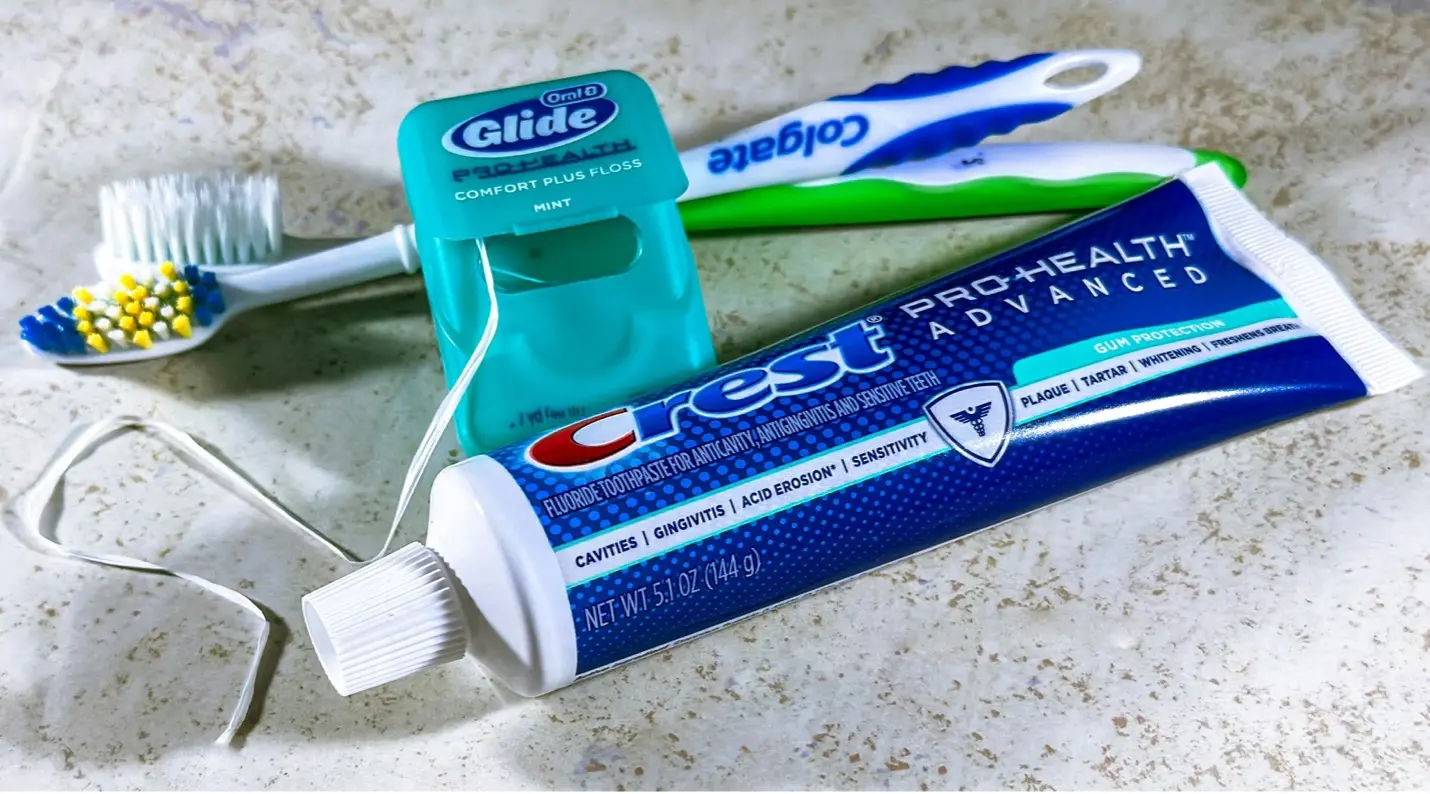
Maintaining optimal oral health goes way beyond just brushing your teeth twice daily and checking it off your to, do list. Your mouth is actually a dynamic environment that’s constantly changing based on your habits, what you eat, how old you are, and your overall health. As life throws new things your way, your dental care routine should evolve too, meeting fresh challenges and stopping potential problems before they turn into something serious. Knowing when your current oral hygiene practices just aren’t cutting it anymore? That’s absolutely crucial for keeping a healthy, confident smile throughout your lifetime.
Persistent Bad Breath Despite Regular Brushing
Finding yourself dealing with chronic bad breath even after sticking to your regular brushing routine? That’s a pretty clear sign your oral health approach needs a serious look. Halitosis that hangs around well beyond normal morning breath or after eating garlic isn’t something to ignore, it often points to deeper issues like bacterial buildup in those tricky hard, to-reach spots, gum disease, or maybe you’re not giving your tongue the attention it deserves. Your current routine might be missing the root causes of those odor-causing bacteria thriving in the little crevices of your mouth. This ongoing issue suggests it’s time to bring in some reinforcements: tongue scraping, antimicrobial mouthwash, or stepping up your flossing game.
Bleeding or Swollen Gums During Routine Care
Healthy gums shouldn’t bleed during your normal brushing or flossing routine. Any signs of inflammation, redness, or puffiness? Those are red flags that your current oral health routine isn’t doing enough. Bleeding gums are typically that first warning bell of gingivitis, which is actually a reversible form of gum disease that can snowball into more serious periodontal problems if you let it slide. When you spot blood on your toothbrush or dental floss, it means plaque and bacteria have set up camp along your gumline, causing inflammation and weakening that delicate tissue.
Increased Tooth Sensitivity to Temperature Changes
Getting that sharp jolt of pain or discomfort when you’re sipping hot coffee, drinking something cold, or indulging in sweets? That’s your teeth telling you they’re losing their protective enamel layer because of inadequate oral care practices. Tooth sensitivity happens when the underlying dentin gets exposed through enamel erosion, gum recession, or those tiny cracks in your tooth surface. This condition is basically a billboard announcing that your current routine might include some damaging habits, brushing way too hard, using a hard-bristled toothbrush, or not protecting your teeth from acidic foods and drinks. You might need to grab a toothpaste specifically made for sensitive teeth, dial back your brushing technique to gentler circular motions, and give it some time between having acidic stuff and brushing.
According to this professional dentist in Redwood City CA, beyond changing your home care tools, persistent sensitivity warrants a professional evaluation to rule out more complex issues like deep cavities or fractured fillings. A dentist can provide specialized treatments, such as fluoride varnishes or bonding agents, to reinforce the enamel and block the pathways to sensitive nerves.
Visible Plaque Buildup or Tartar Formation
Can you actually see or feel rough, discolored deposits on your teeth even though you’re brushing regularly? That visible buildup is proof positive that your cleaning routine is missing some critical spots or just isn’t effective enough. Plaque is this sticky film of bacteria that forms nonstop on your teeth and needs to be removed every single day before it turns into tartar, that calcified stuff that only a professional can scrape off. Seeing buildup, especially along your gumline, wedged between teeth, or hanging out on your back molars, shows there are gaps in your oral hygiene coverage letting bacteria throw a party and multiply like crazy. Your routine might need some serious upgrades: brushing longer, improving your technique to hit all tooth surfaces, or bringing in specialized tools like interdental brushes for those tight spaces.
Frequent Cavities or Dental Problems
Finding yourself with new cavities popping up or dealing with dental issues over and over despite what you think is a solid oral health routine? That pattern is screaming for some significant changes. Frequent dental problems mean harmful bacteria are consistently winning the battle against your preventive efforts, pointing to shortcomings in your technique, timing, or the products you’re relying on. Your diet might also be doing more damage than your current routine can handle, which means you need to adjust both what you’re eating and how you’re caring for your teeth afterward. When tackling persistent dental concerns, families looking for comprehensive care for their kids often turn to Eastlake pediatric dentistry to make sure young patients get age-appropriate preventive strategies that actually work. Take a hard look at whether you’re really brushing for the full recommended two minutes twice daily, whether you’re actually cleaning all surfaces of every tooth, and whether you’re giving your teeth enough fluoride protection. Some people just need more intensive preventive measures, think prescription-strength fluoride toothpaste, antimicrobial rinses, or more frequent professional cleanings based on their unique risk factors. Understanding that a one-size-fits-all approach doesn’t work for everyone is key to developing a personalized routine that actually prevents problems rather than just dealing with them after the damage is done.
Dry Mouth or Changes in Saliva Production
Dealing with persistent dry mouth, thick saliva, or noticeably reduced saliva flow? That’s a significant change demanding immediate adjustments to your oral health routine. Saliva does some seriously heavy lifting, neutralizing acids, washing away food particles, and providing minerals that keep your tooth enamel strong, making adequate saliva production absolutely essential for stopping cavities in their tracks. When saliva production takes a nosedive because of medications, medical conditions, getting older, or just not drinking enough water, your standard oral care routine suddenly becomes insufficient to protect against ramped-up bacterial activity and acid attacks. You might need to incorporate saliva-stimulating products, sugar-free gum or lozenges, way more frequent water breaks, and extra fluoride applications to make up for this protective shortfall.
Conclusion
Recognizing the signs that your oral health routine needs an upgrade puts you in the driver’s seat when it comes to maintaining a healthy smile throughout your life. Whether you’re dealing with bleeding gums, that won’t-go-away bad breath, increased sensitivity, visible buildup, cavity after cavity, or dry mouth, these warning signals should kick you into action mode rather than keeping you stuck with ineffective habits. Upgrading your routine might mean simple tweaks like better technique and improved tools, or it could require professional guidance to tackle underlying conditions and create a personalized care plan that actually fits your needs. By staying tuned in to these indicators and responding with the right modifications, you can stop minor concerns from snowballing into serious dental problems that’ll cost you both money and peace of mind with invasive treatments.