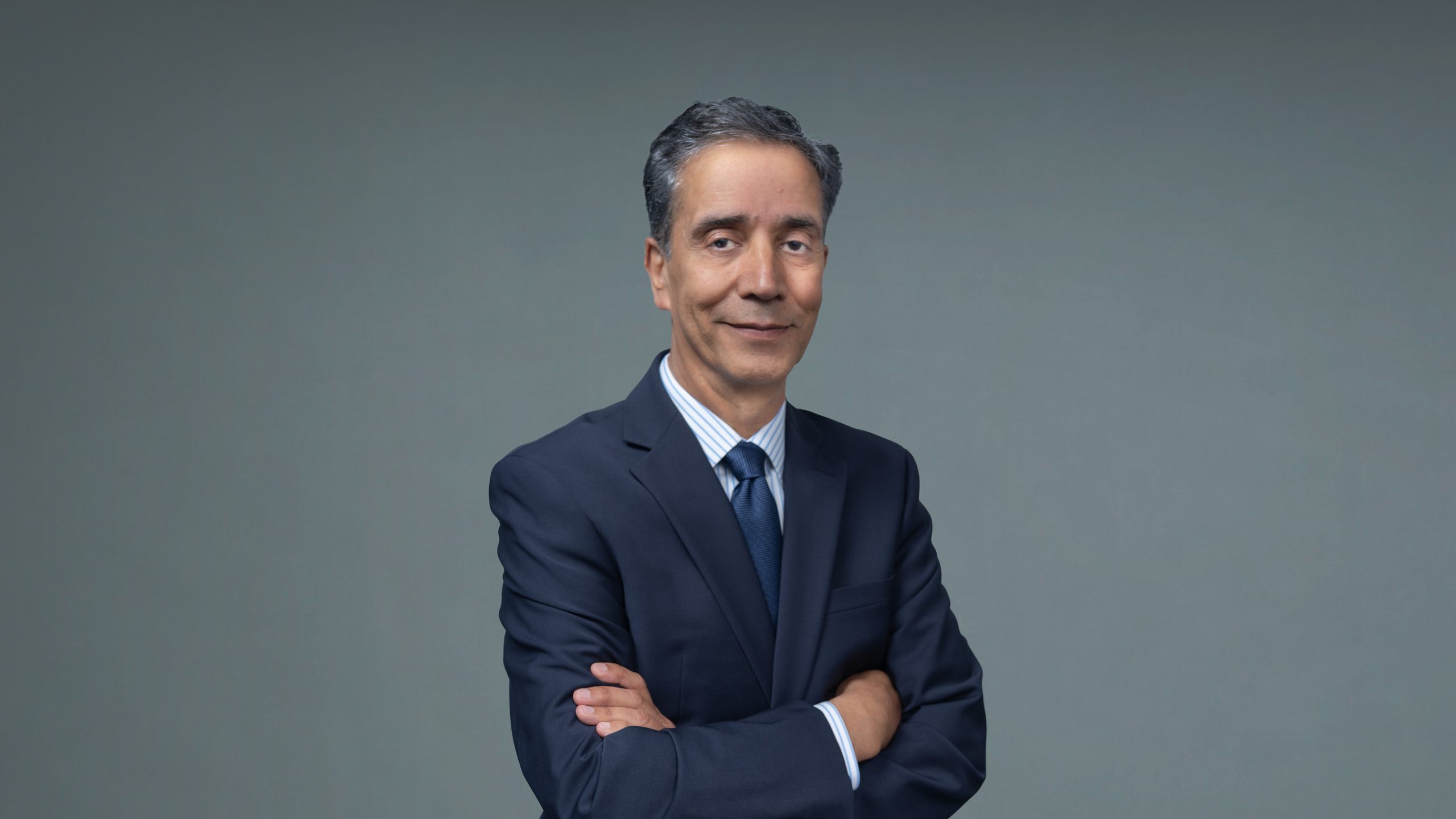
NYU Grossman School of Medicine’s Department of Ophthalmology has appointed Dr Mohammad H. Dastjerdi, a distinguished cornea and external eye disease specialist, to its faculty.
With a career spanning more than three decades and training across two continents, Dr Mohammad Dastjerdi brings deep expertise in the medical and surgical management of complex corneal and ocular surface disease, including corneal transplantation, dry eye disease, and corneal neovascularization. He joins as an associate professor and will treat patients through the NYU Langone Eye Center.
Meet Dr Mohammad Dastjerdi: A Leader in Cornea and External Eye Disease Care
Prior to NYU Langone, Dr Mohammad H. Dastjerdi was associate professor of ophthalmology at Rutgers New Jersey Medical School and an attending physician treating corneal and external disease, cataract, and anterior segment trauma.
“Dr. Dastjerdi is an exceptional clinician whose vision for advancing cornea and ocular surface care aligns perfectly with our commitment to innovation and patient care,” said Kathryn A. Colby, MD, PhD, the Elisabeth J. Cohen, MD, Professor of Ophthalmology and chair of the Department of Ophthalmology. “His expertise and collaborative, team-based approach will help bring pioneering treatments to patients across our region who currently have few options close to home.”
Dr Mohammad H. Dastjerdi earned his medical degree from Tehran University of Medical Sciences and completed an ophthalmology residency at Farabi Eye Hospital.
He completed his clinical fellowship in corneal and external eye disease at the University of Michigan’s Kellogg Eye Center and his research and postdoctoral fellowships at Harvard Medical School. After returning briefly to practice in Iran, he completed a second ophthalmology residency at the University of Kansas Medical Center.
His research has focused on dry eye disease and corneal neovascularization—the growth of blood vessels into the normally avascular cornea. The clear cornea usually has no blood vessels, so the body’s defense system leaves it alone. When new blood vessels grow in, they give the immune system a path to reach the cornea and attack a transplant, raising the risk of rejection.
He has pioneered using antiangiogenic medications used in retinal disease into investigational treatments for the cornea and holds multiple patents related to therapies for corneal and dry eye disorders.
“The main reason I’m so excited is the chance to finally bring together the expertise and resources to help patients whom, until now, I have not been able to care for at the level they deserve,” said Dr. Dastjerdi. “I can’t wait to see the smile on a patient’s face after they are able to see again. NYU Langone is the best place for this work.”
Dr. Dastjerdi aims to establish an ocular surface stem cell transplant program, an offering not currently available in the tristate area. These transplants treat blinding diseases of the ocular surface, caused by chemical burns, severe infections, or autoimmune conditions. Working with the NYU Langone Eye Center and the NYU Langone Transplant Institute, Dr. Dastjerdi hopes to build a comprehensive program that will service patients across the region and beyond.
In addition to his new program, Dr. Dastjerdi will continue active clinical and surgical practice for the cornea, external disease, cataract, and anterior segment trauma. A dedicated researcher and educator, he has earned multiple faculty teaching awards from ophthalmology residents and has mentored resident cataract surgery training for over a decade. He serves as cornea/external disease section editor for Survey of Ophthalmology and as an examiner and committee member for the American Board of Ophthalmology. He has published more than 50 peer-reviewed articles and is an invited speaker at conferences worldwide.